ヴーヴ・クリコのウェブサイトをご覧になるには、お住まいの国や地域で飲酒や購入が許可されている年齢であることが必要です。
アルコールは適量に節度を持って愉しみましょう。ヴーヴ・クリコは、ワイン&スピリッツの責任ある飲酒のため、モエ ヘネシーが加盟するspirits EUROPE、discus、Wine in Moderationの活動をサポートしています。
アルコールは適量に節度を持って愉しみましょう。ヴーヴ・クリコは、ワイン&スピリッツの責任ある飲酒のため、モエ ヘネシーが加盟するspirits EUROPE、discus、Wine in Moderationの活動をサポートしています。


Temperature plays a key role in revealing champagne's full sensory expression. When properly chilled, each bottle of Brut Yellow Label reveals its full aromatic palette, from bright citrus notes to subtle hints of brioche and stone fruit. The right temperature allows bubbles to dance gracefully while preserving the wine's distinctive freshness and elegance. Understanding how to chill champagne unlocks its true character, turning every glass into a refined experience.
· Champagne should always be chilled to reveal its aromatic richness and maintain lively bubbles.
· The ideal temperature ranges from 46°F to 54°F (8°C to 12°C), depending on the style.
· An ice bucket offers the best way to chill champagne quickly, typically within 20 to 30 minutes.
· Avoid filling glasses more than halfway to keep champagne at its ideal temperature longer.
· Proper storage preserves freshness after opening, and the Ice Jacket keeps a bottle at its ideal temperature for up to one hour.
Yes, champagne should be chilled before serving. Temperature directly influences how you experience every sip. When served at the right coolness, the wine's acidity feels balanced, its bubbles remain fine and persistent, and its aromatic complexity shines through. A properly chilled bottle of champagne allows you to appreciate the delicate interplay between freshness and depth that defines this wine.
Serving champagne too warm flattens the bubbles and emphasizes alcohol over finesse. The wine loses its signature vivacity, and subtle aromas become muted. Conversely, over-chilling suppresses the aromatic expression entirely, masking the intricate flavors that champagne houses spend years perfecting. The goal is finding that sweet spot where temperature enhances rather than obscures the wine's character.
The ideal temperature varies based on the champagne's style and structure, allowing each cuvée to express its unique personality:
-Non-vintage champagnes shine between 46°F and 50°F (8°C to 10°C). At this temperature, fresh and vibrant styles reveal their crisp fruit flavors and maintain persistent bubbles. This range works beautifully for everyday moments and spontaneous celebrations when you want immediate brightness.
-Vintage champagnes and prestige cuvées benefit from slightly warmer serving, around 50°F to 54°F (10°C to 12°C). Complex wines need this gentler coolness to unfold their layered aromas of stone fruit, toasted bread, and subtle spices. This temperature range allows mature wines to display their full aromatic richness.
Whether you're preparing for an impromptu gathering or simply didn't plan ahead, two reliable methods ensure your champagne reaches the perfect temperature.
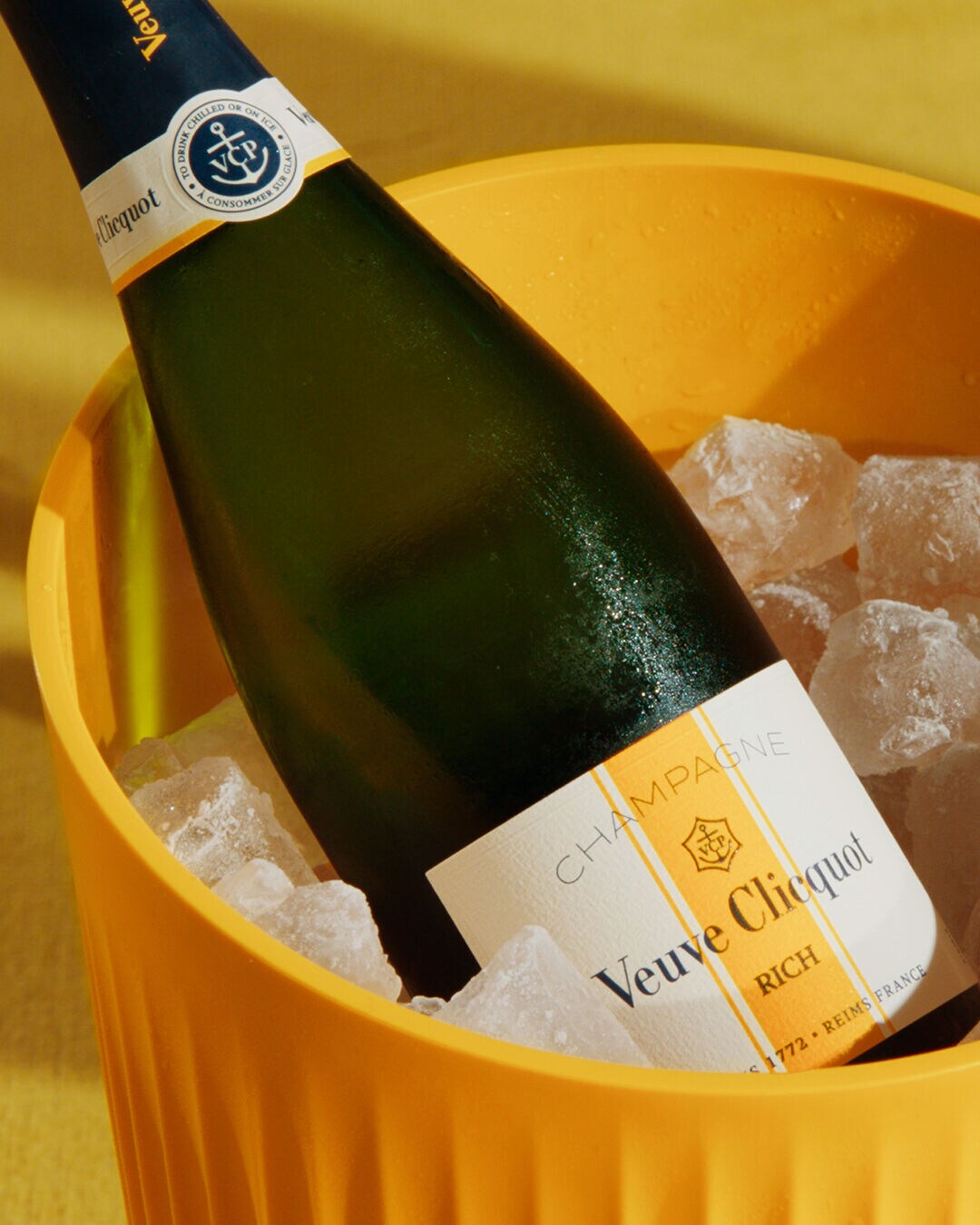
The ice bucket remains the best way to chill champagne efficiently. Fill your bucket with equal parts ice and cold water, creating a mixture that surrounds the entire bottle. This method brings a room-temperature bottle to ideal serving temperature in 20 to 30 minutes, or refreshes an already cool bottle in just 15 minutes. The water conducts cold more effectively than ice alone, ensuring even chilling from top to bottom.
Your refrigerator offers a gentler way to chill champagne, though it requires more planning. Place the bottle horizontally on a lower shelf where temperatures remain most consistent. Allow three to four hours for a room-temperature bottle, or about 30 minutes if the bottle is already cool. This method suits vintage wines that benefit from gradual temperature adjustment. Avoid using the freezer, as rapid temperature changes can damage the champagne's structure and potentially cause the bottle to burst.
Once you've opened your bottle, maintaining its freshness requires attention to both temperature and storage. Insert a proper champagne stopper immediately after pouring to preserve the bubbles and aromatic intensity. Store the sealed bottle in your refrigerator, where it will maintain quality for one to three days. When pouring, filling each glass no more than halfway also helps: a smaller pour stays at the right temperature longer in the glass, keeping the bubbles lively and the aromas precise.
Temperature stability matters as much after opening as before. Keep the bottle consistently cold rather than moving it between warm and cool environments. The Ice Jacket offers a practical and refined solution for maintaining a bottle at its ideal serving temperature between pours. This reusable pouch, crafted from recycled plastic fibers using 3D knitting technology, keeps champagne cold for up to one hour. It can also be personalized with a message thanks to letter patches, making it as fitting for gifting as it is for the table.
For longer-term storage of unopened bottles, maintain a cool, dark place with minimal temperature fluctuation. These simple practices ensure every glass, from first pour to last, delivers the radiant experience champagne promises.