How to store your bottle of Champagne?

Proper storage transforms how champagne reveals its character. Whether you're keeping a bottle of Veuve Clicquot Brut Yellow Label for a spontaneous gathering or cellaring a vintage cuvée for years to come, the way you store champagne directly influences its aromatic richness and vibrant freshness. Every detail matters because great champagne is built to evolve, and storage is what allows that evolution to happen on your terms.


Key Takeaways:

  • Temperature consistency matters more than the exact degree for preserving aromatic complexity.
  • Short-term storage (under a month) calls for upright positioning, while long-term cellaring benefits from horizontal placement.
  • Opened champagne maintains its freshness for three to five days when properly sealed with a champagne bottle stopper and refrigerated.
  • Aging potential varies by cuvée: Brut Yellow Label is best enjoyed within 3 to 5 years, while La Grande Dame can be cellared for 15 years or more under ideal conditions.
  • Light exposure poses the greatest threat to champagne's aromatic purity.


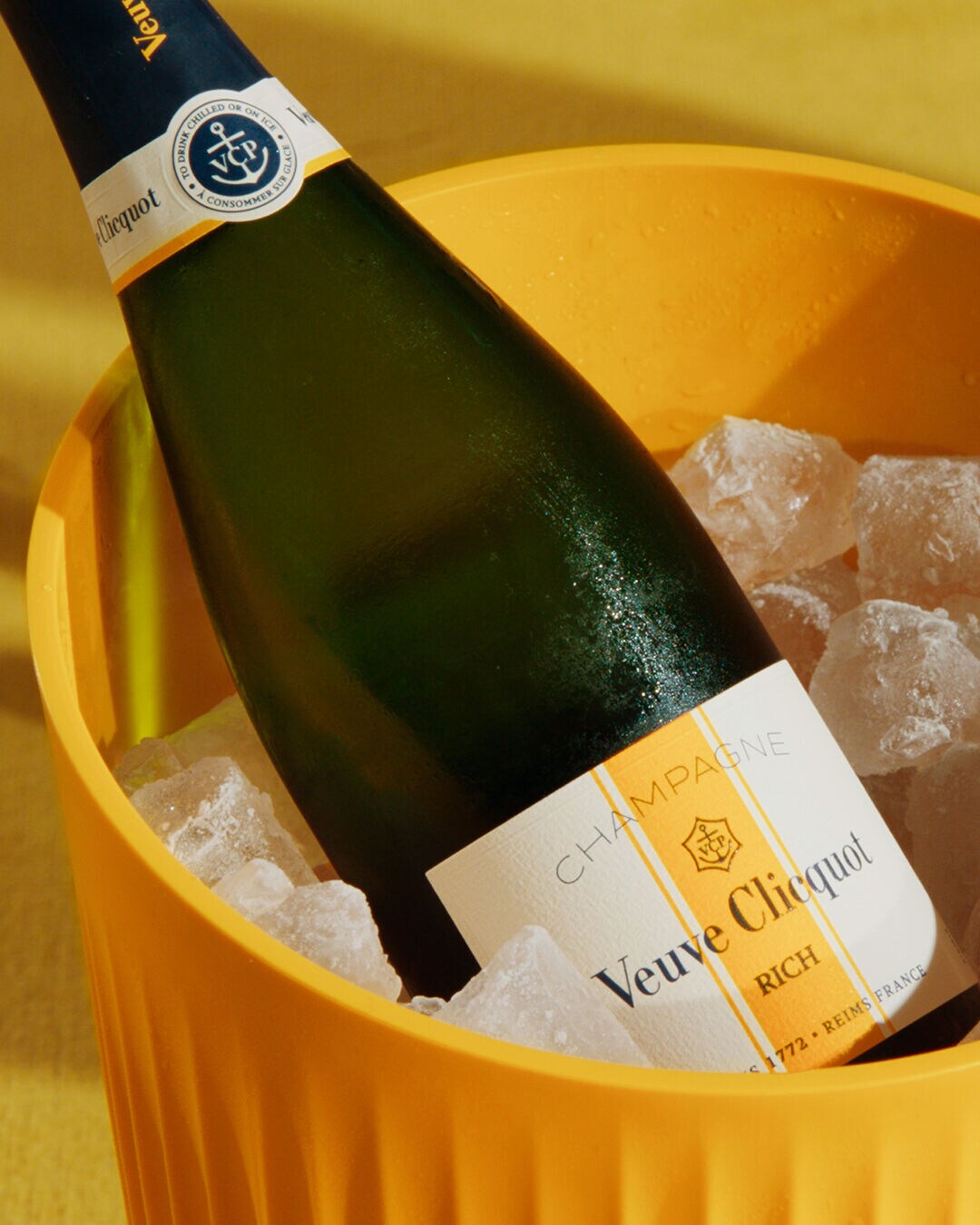
A bottle of Veuve Clicquot RICH champagne on ice

What is the best temperature for storing champagne?

Temperature stability protects champagne's delicate balance between structure and aromatic expression.


For bottles you'll enjoy soon

When you're planning to open your champagne within a few weeks, room temperature works perfectly for storing champagne bottles away from direct heat sources. If you'll uncork it within three to four days, the fridge offers convenient short-term cool storage at 46°F to 50°F. However, extended refrigeration can dry the cork, so avoid keeping bottles chilled beyond a week.

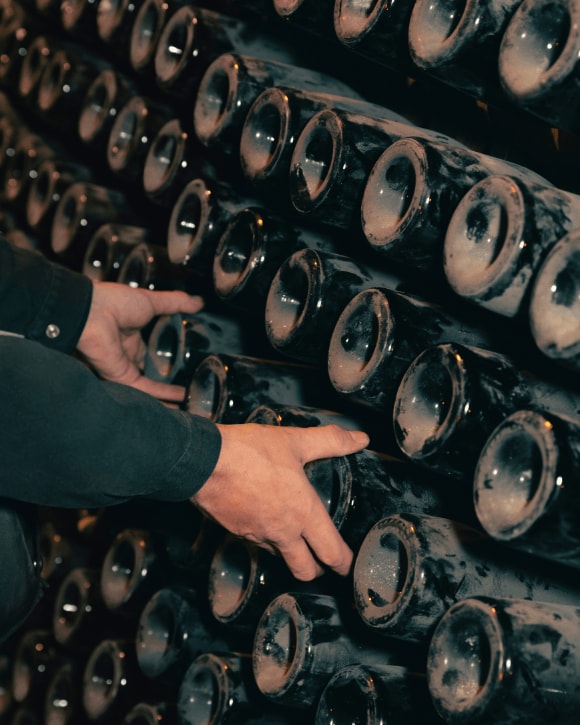
 Veuve Clicquot cellar

For long-term cellaring

Extended aging demands consistency. A wine cellar or wine fridge maintaining 50°F to 55°F provides the steady, cool environment that preserves champagne's aromatic intensity. According to wine storage experts¹, wild temperature fluctuations prove more damaging than a slightly warmer space. Your vintage champagne deserves protection from heat shocks that flatten its vibrant character.

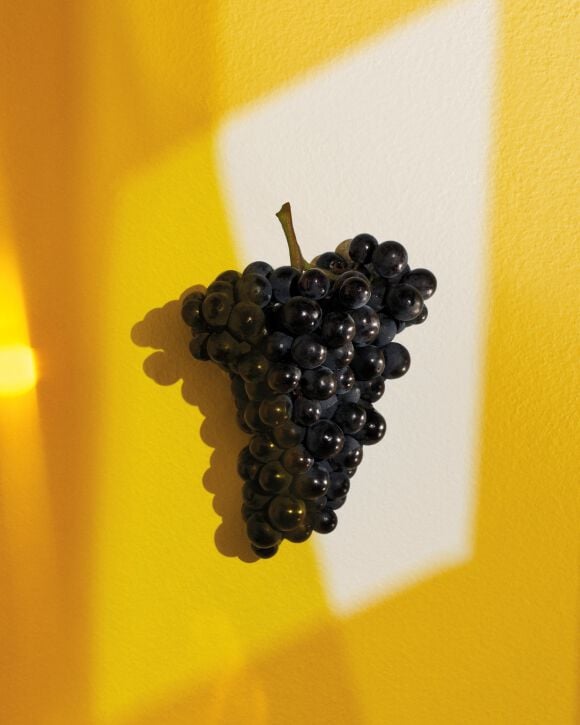
Veuve Clicquot grapes

Should champagne be stored on its side or upright?

The positioning debate comes down to timing. For short-term storage spanning days to a month, upright placement works beautifully. The pressure inside sealed champagne bottles naturally keeps the cork moist enough to maintain a proper seal.

Long-term keeping of vintage cuvées or prestige bottlings like La Grande Dame 2015 calls for horizontal storage. Laying bottles on their sides in a wine rack prevents cork deterioration over years of aging. This positioning becomes essential when cellaring rare expressions like Veuve Clicquot Cave Privée 1989 that develop nuanced complexity through patient maturation.

Whatever position you choose, store bottles away from light. Even artificial lighting can bleach champagne's aromatic profile, creating flat, tired flavors that mask its natural vibrancy.


How should you store champagne after opening?

Opened champagne starts losing its signature effervescence immediately. To preserve the bubbles and fresh aromatics in your leftover champagne, seal the open bottle with a hermetic closure and return it to the fridge promptly. This simple step maintains the wine's lively character for three to five days.

For extended outdoor moments, an ice bucket keeps an opened bottle of champagne properly chilled while you savor it throughout the afternoon. The key is maintaining that cool temperature that protects both texture and aromatic expression.


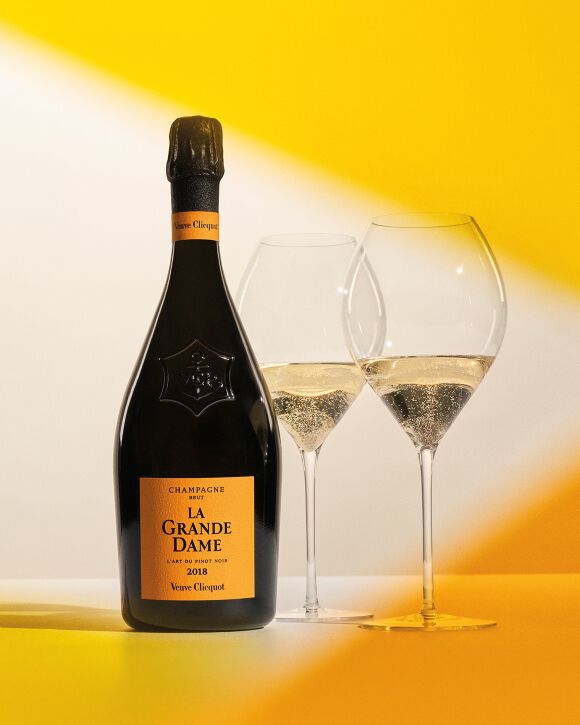
2 glasses of Veuve Clicquot champagne and a La Grande Dame bottle

How long can unopened champagne be stored?

The aging potential of an unopened bottle depends on its style and craftsmanship.

Non-vintage champagnes

Non-vintage champagne like Brut Yellow Label reaches your glass already perfected through careful blending and aging. These wines shine within three to five years of purchase when their fresh fruit character and precise structure remain at their peak.

Vintage cuvées and prestige bottlings

Vintage expressions reward patience. Champagnes from exceptional harvests develop richer textures and deeper aromatic layers over time. A prestige cuvée like La Grande Dame, crafted from six historic Pinot Noir crus, can be cellared for 15 years or more, slowly revealing its full aromatic complexity. Magnums also offer an advantage here: the ratio of wine to oxygen allows slower, more graceful evolution, creating finer bubbles and more complex flavors over time.

Proper champagne storage in a dark, cool, humid environment preserves these wines' potential. Whether you're building a collection or storing a special bottle for a future milestone, consistent conditions let the wine evolve beautifully while maintaining the bright, optimistic character that defines great champagne.

Glasses of Veuve Clicquot champagne on a table and one la grande dame bottle