El abuso del alcohol es peligroso para la salud. Bebe de forma responsable. Veuve Clicquot apoya el consumo responsable de vinos y licores, a través de Moët Hennessy, miembro de Spirits EUROPE, Discus y Wine in Moderation.

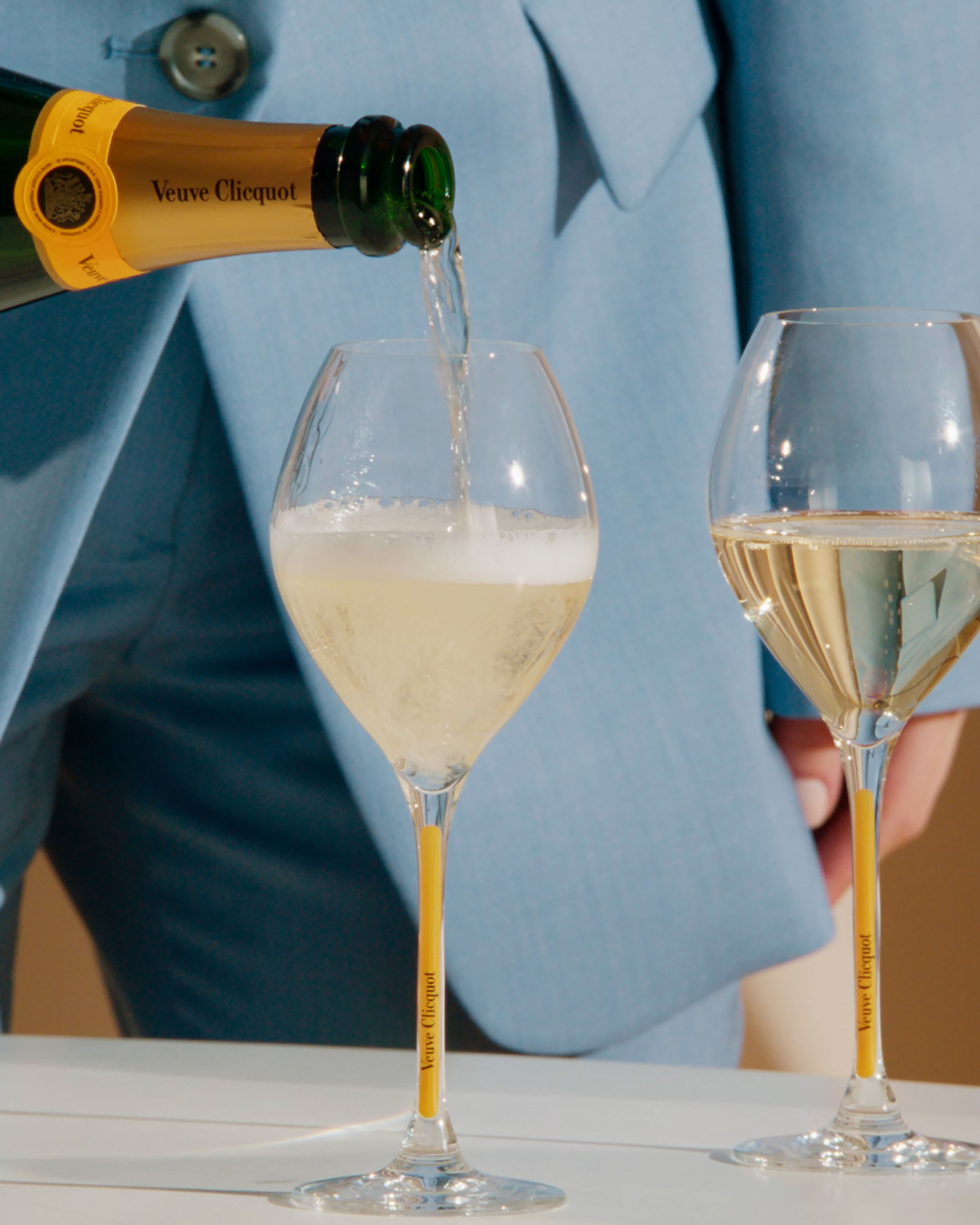
When you raise a glass of champagne, you're enjoying one of the purest expressions of craftsmanship in the world of wine. The answer to whether champagne is gluten-free is a resounding yes. Champagne is grape-based, and its traditional production does not inherently require gluten containing grains such as wheat, barley or rye. This natural purity makes it a confident choice for anyone seeking gluten-free options without compromising on quality or joy.
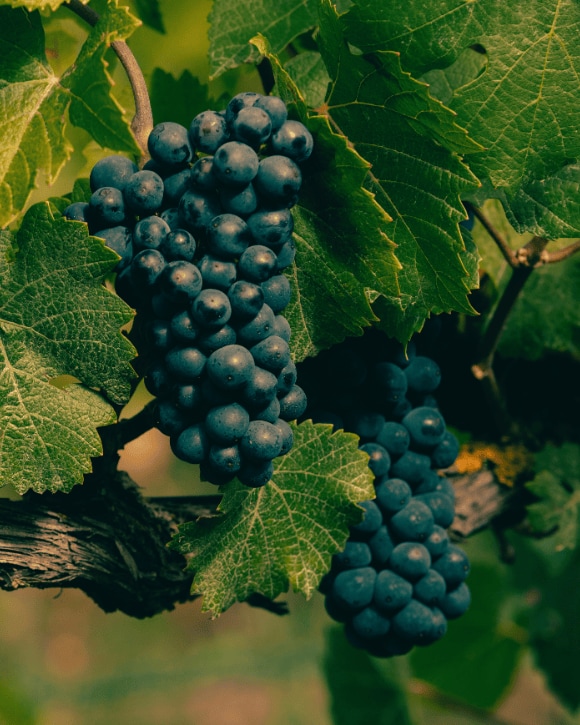
Champagne begins with three noble grape varieties: Pinot Noir, Chardonnay, and Pinot Meunier. These grapes form the foundation of all champagne production, bringing strength, elegance, and aromatic richness to each bottle. Through natural fermentation, yeast transforms the grape sugars into alcohol and those signature bubbles, while additional sugar may be added during the dosage process to balance the wine's character. None of these ingredients in champagne contain gluten.
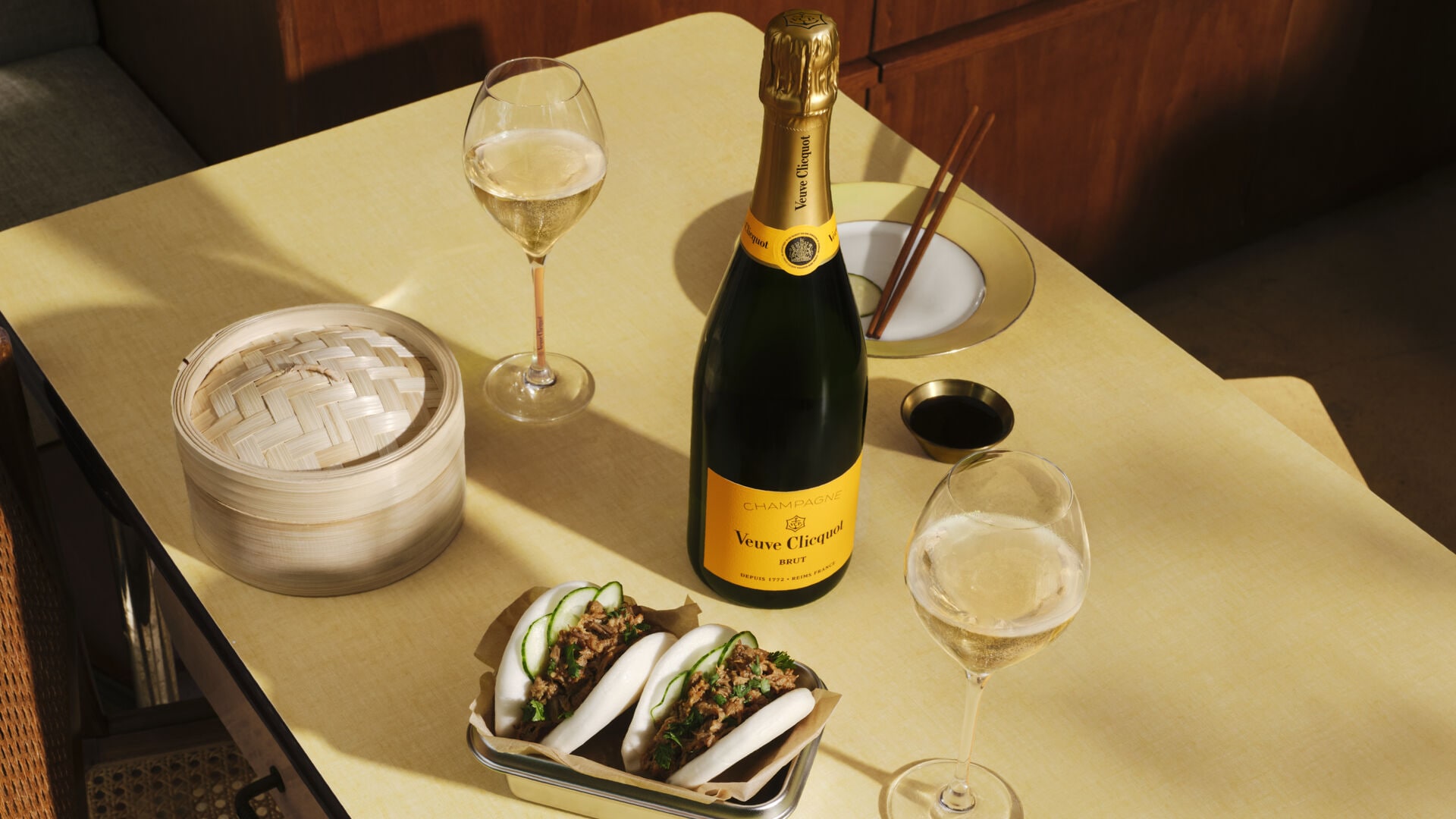
Take Veuve Clicquot Yellow Label, for example. Its blend of 50% Pinot Noir, 30% Chardonnay, and 20% Meunier, along with up to 45% reserve wines, demonstrates how pure grape varietals create complexity and depth. This commitment to natural ingredients means every glass of champagne you pour is made from grapes through a process that never involves gluten-containing grains.
According to celiac disease experts¹, sparkling wines including champagne are naturally gluten-free. The fermentation process transforms grape juice into wine through yeast activity, creating those radiant bubbles without introducing any gluten. While historical winemaking occasionally used wheat-based materials for barrel sealing, modern production methods have eliminated these practices entirely, ensuring purity from vineyard to bottle.
Several studies ² confirm that even wines historically treated with gluten-based fining agents contained undetectable or extremely low gluten levels; well below the threshold for those sensitive to gluten. Today's champagne houses embrace contemporary techniques that preserve the wine's natural character while meeting the highest safety standards for people with celiac disease or gluten sensitivity.
Yes, champagne offers a joyful option for those managing celiac disease, gluten intolerance or sensitivity. The combination of pure grape-based ingredients and meticulous production standards means that quality champagnes like Veuve Clicquot Brut Rosé are naturally gluten-free and safe to enjoy.
When choosing champagne, look for bottles that list only natural ingredients. Avoid products with added flavors, colors, or ingredients like barley malt, which occasionally appear in wine coolers or flavored sparkling beverages. Traditional champagne production focuses solely on grapes and natural fermentation, making it an elegant choice for gluten-free living.
The finest champagne houses have always understood that excellence begins with pure ingredients. The champagne-making process at Veuve Clicquot exemplifies this philosophy. With 96% of plots rated Grand Cru or Premier Cru, and a collection of up to 500 reserve wines carefully stored by cru and grape variety, the House demonstrates how demanding standards naturally result in gluten-free champagne.
This commitment to "only one quality, the finest" means that every bottle maintains its natural character without unnecessary additives. Whether you're discovering La Grande Dame 2018, with its 90% Pinot Noir blend, or exploring other expressions, you're choosing champagne made from grapes through centuries-old methods that respect the ingredient's natural purity. The result is champagne that's not only gluten-free but also delivers the aromatic richness and refined character that makes each glass a moment of inspiration.