El abuso del alcohol es peligroso para la salud. Bebe de forma responsable. Veuve Clicquot apoya el consumo responsable de vinos y licores, a través de Moët Hennessy, miembro de Spirits EUROPE, Discus y Wine in Moderation.

When selecting the perfect champagne for your get-together, understanding how many glasses you can serve from each bottle is both a practical and a considered question. The glass you choose matters as much as the pour: for champagne, a tulip-shaped glass best preserves both fine bubbles and aromatic depth. This ensures the energy of your gathering remains unbroken, allowing the champagne to express its full personality in every glass.
A standard bottle of champagne containing 750ml yields approximately 6 to 8 glasses depending on the generosity of the pour. This calculation assumes a pour of 150ml per glass, which allows the wine's aromatic complexity to unfold while maintaining that ideal, crisp temperature throughout your tasting experience.
The precise number of glasses depends on your style and glassware choice. We recommend this serving size because it provides enough volume for the champagne's bubbles to develop their characteristic mousse. It gives your palate time to appreciate the wine's nuanced layers—from the initial burst of freshness to the silky, lingering finish.
Several factors influence how many glasses you can serve from a single bottle, with glassware and serving technique playing crucial roles in elevating the quality of the moment.
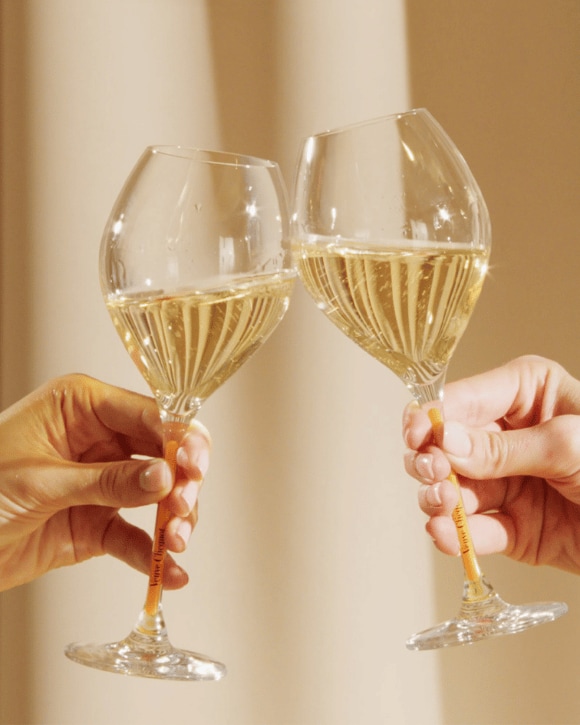
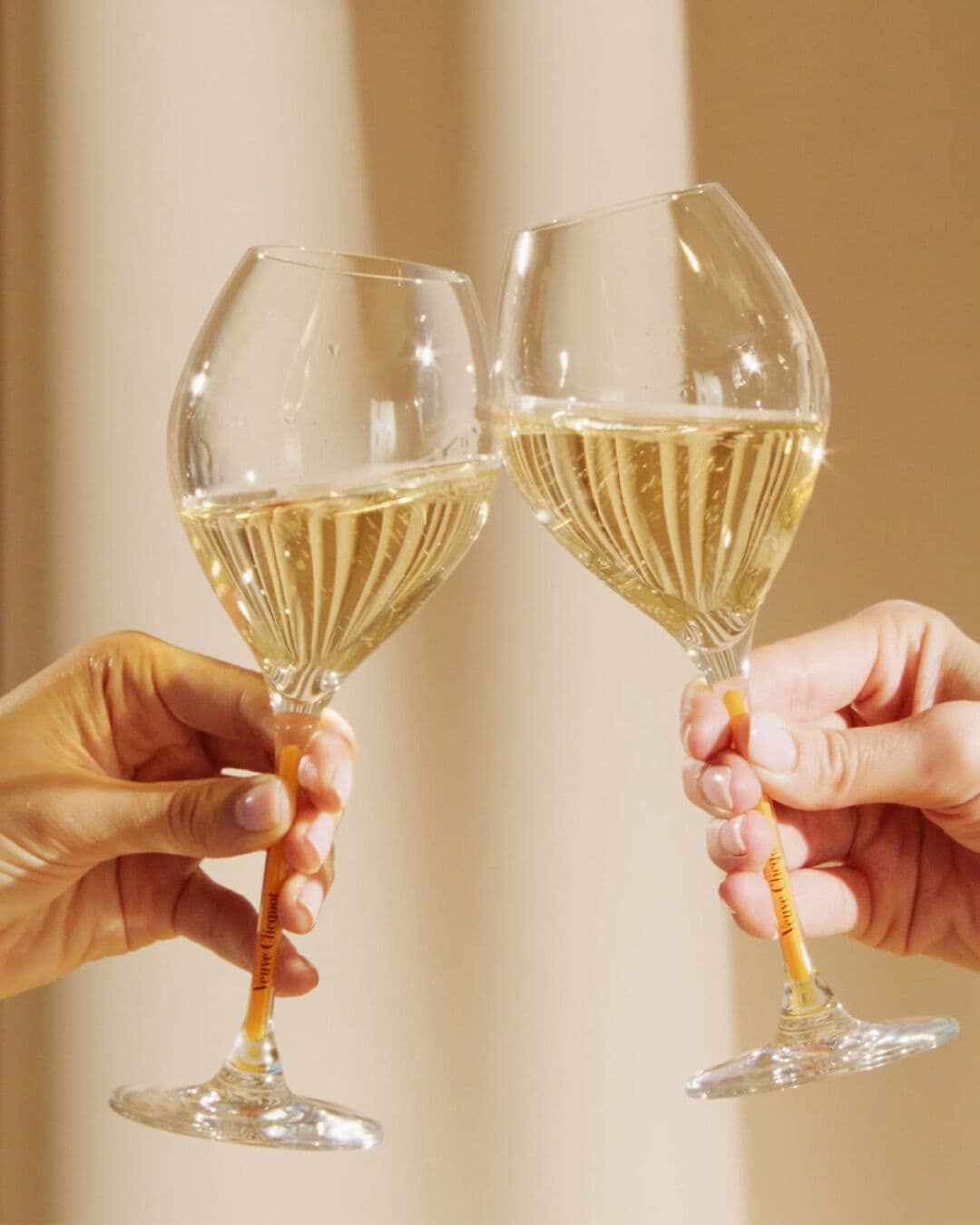
For champagne, the tulip glass is the best choice. Its wider mid-bowl preserves both the fine, persistent bubbles and the full aromatic expression of the wine simultaneously, allowing fruity, mineral, and toasty notes to develop in the glass as they should.
A flute, while visually elegant, is not ideal for genuine tasting. It highlights the rise of bubbles beautifully, but its narrow bowl masks a significant part of the wine's aromatic expression. A coupe is the least suited of all: its wide, shallow bowl allows both aromas and effervescence to escape too quickly, shortening the sensory experience considerably.
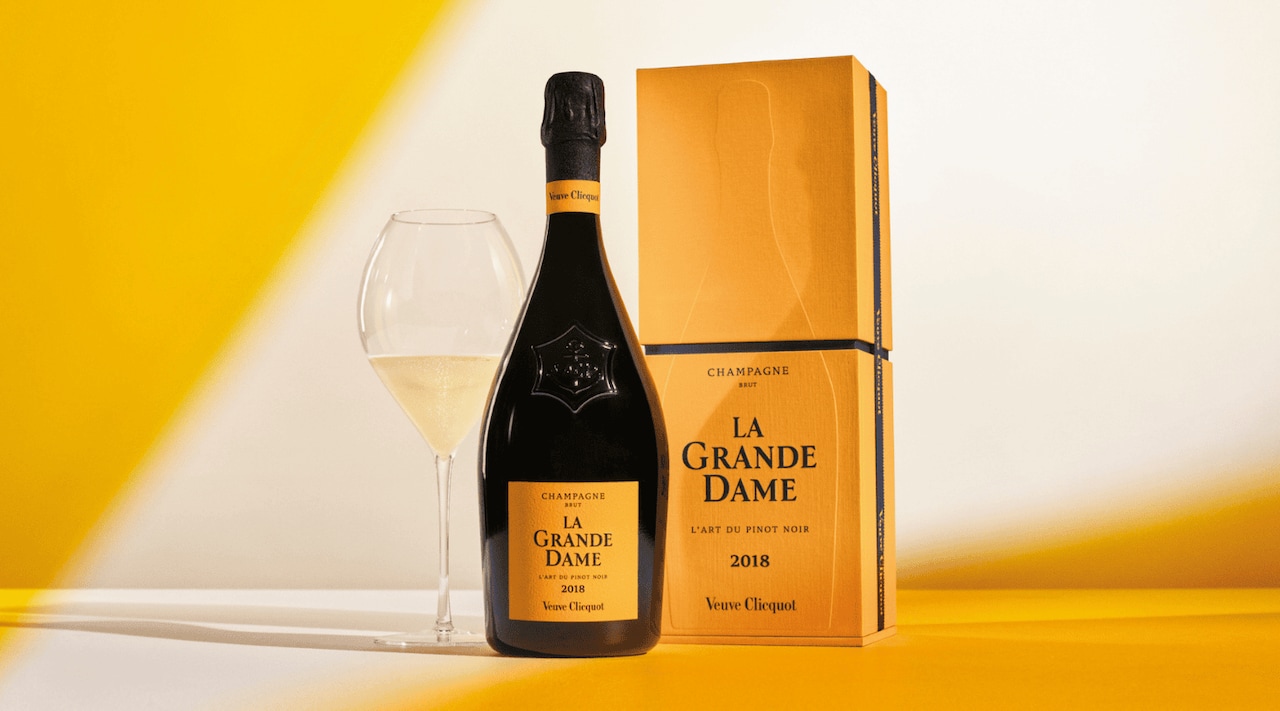
For a prestige cuvée like La Grande Dame 2018, a wider, more generous tulip is essential. The wine's depth, precision, finesse, and aromatic complexity, built on 90% Pinot Noir, require the room to express themselves fully.
The ideal serving temperature of 8–10°C (46–50°F) affects both the amount of champagne you can serve and its quality. Research in oenological studies demonstrates that cooler temperatures preserve dissolved CO2 more effectively during pouring. This maintains the wine's structural integrity while allowing for a controlled, elegant release of effervescence.
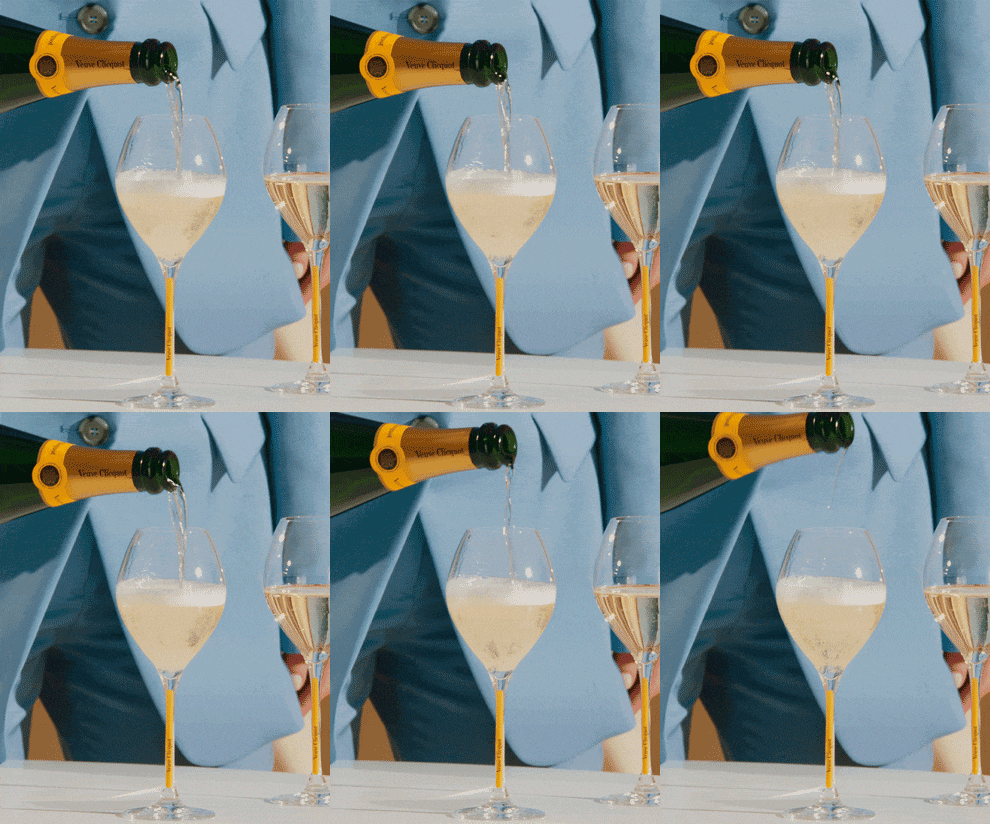
Proper pouring technique, tilting the glass and pouring gently down the side, minimizes foam development. This method preserves the champagne's bubbles while ensuring each glass receives its full intended volume, respecting the precision of the winemaker’s work.
Beyond the standard format, champagne's various bottle sizes offer different serving possibilities and distinct qualitative advantages that bring a touch of madness and grandeur to your hosting.
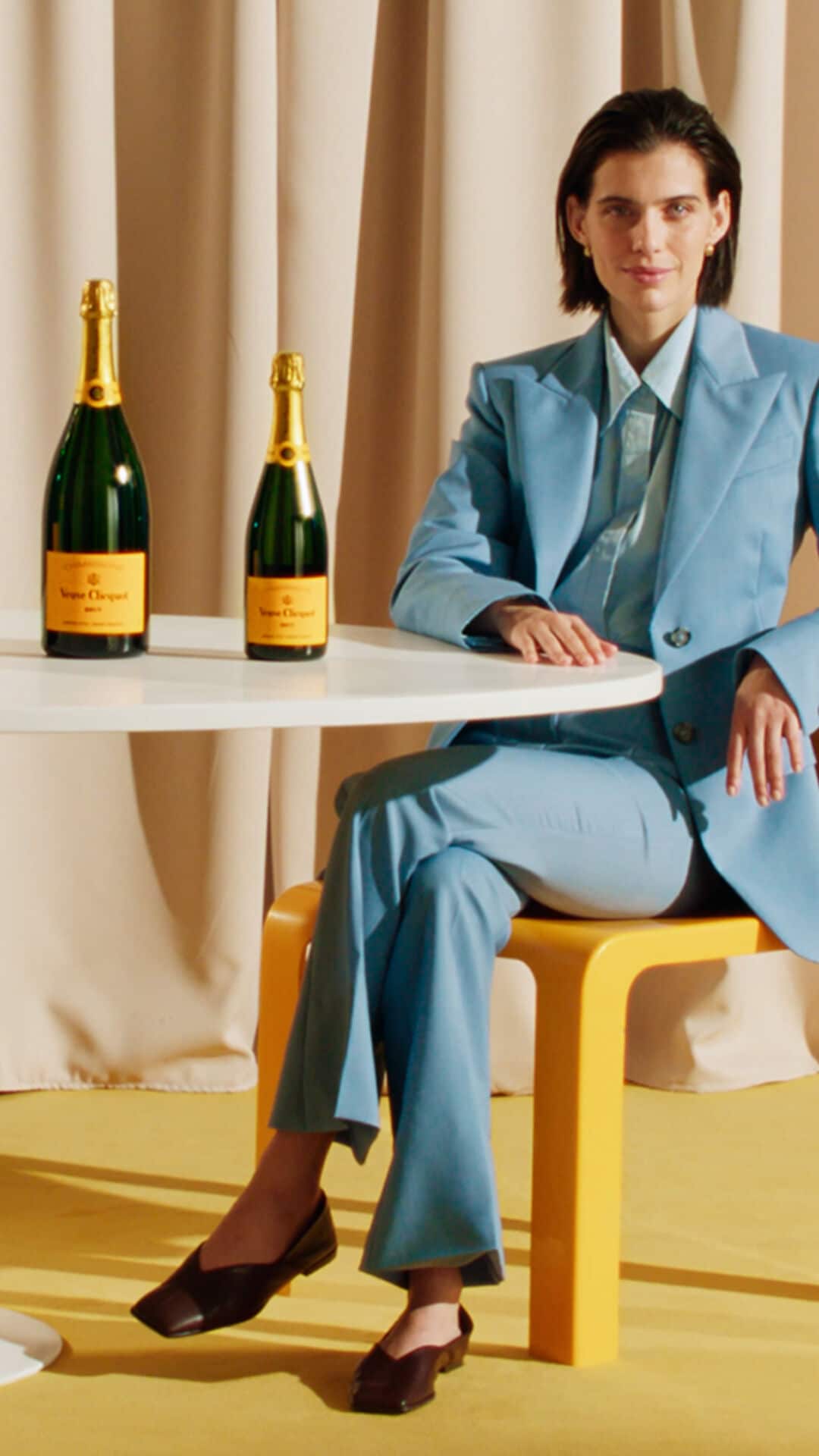
A magnum of champagne containing 1.5 liters serves 8–10 glasses and offers more than just double the quantity. The larger format creates superior aging conditions: the increased wine-to-air ratio in the bottle neck allows slower, more harmonious development. Veuve Clicquot Yellow Label in magnum format showcases this enhanced complexity beautifully.
The magnum format also provides practical advantages for entertaining. The slower oxidation during service maintains freshness longer, while the impressive presentation adds a layer of sophistication to your table. Each glass poured from a magnum carries enhanced aromatic intensity and smoother bubble integration.
Jeroboams (3 liters) and larger formats serve 20–40+ glasses respectively, but their true value lies in the extraordinary wine quality they produce. These formats allow even more gradual maturation, creating champagnes with remarkable depth and finesse. La Grande Dame in larger formats exemplifies this phenomenon, where extended aging creates unparalleled complexity.
Planning the right amount of champagne for your guests requires understanding both consumption patterns and the atmosphere you want to create. For intimate gatherings, calculate approximately one bottle per 5–6 guests for a single round of toasts. However, if champagne will be the primary beverage, plan for half a bottle per person. This accounts for the natural inclination to savor multiple glasses when enjoying premium champagne.
For those seeking exceptional depth, La Grande Dame 2018 represents the pinnacle of Pinot Noir mastery, while Veuve Clicquot Rosé pairs beautifully with extended social moments.
It is always wise to have 15–20% additional bottles beyond calculated needs. This buffer ensures seamless service while accommodating unexpected guests or spontaneous joy. Remember, serving champagne creates moments where each glass reveals the full character of this extraordinary wine. Whether you are pouring from a standard bottle or a magnificent larger format, the goal remains the same: allowing the wine's natural brilliance to shine through in every sparkling drop.