El abuso del alcohol es peligroso para la salud. Bebe de forma responsable. Veuve Clicquot apoya el consumo responsable de vinos y licores, a través de Moët Hennessy, miembro de Spirits EUROPE, Discus y Wine in Moderation.

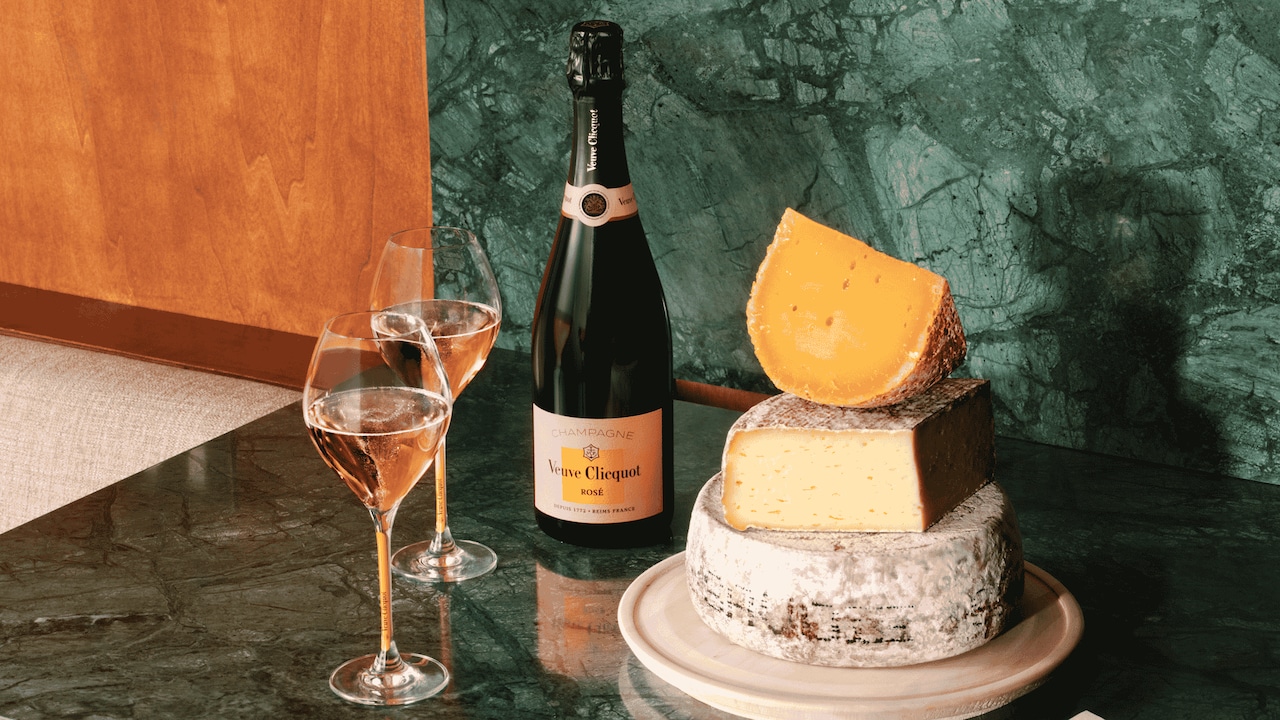
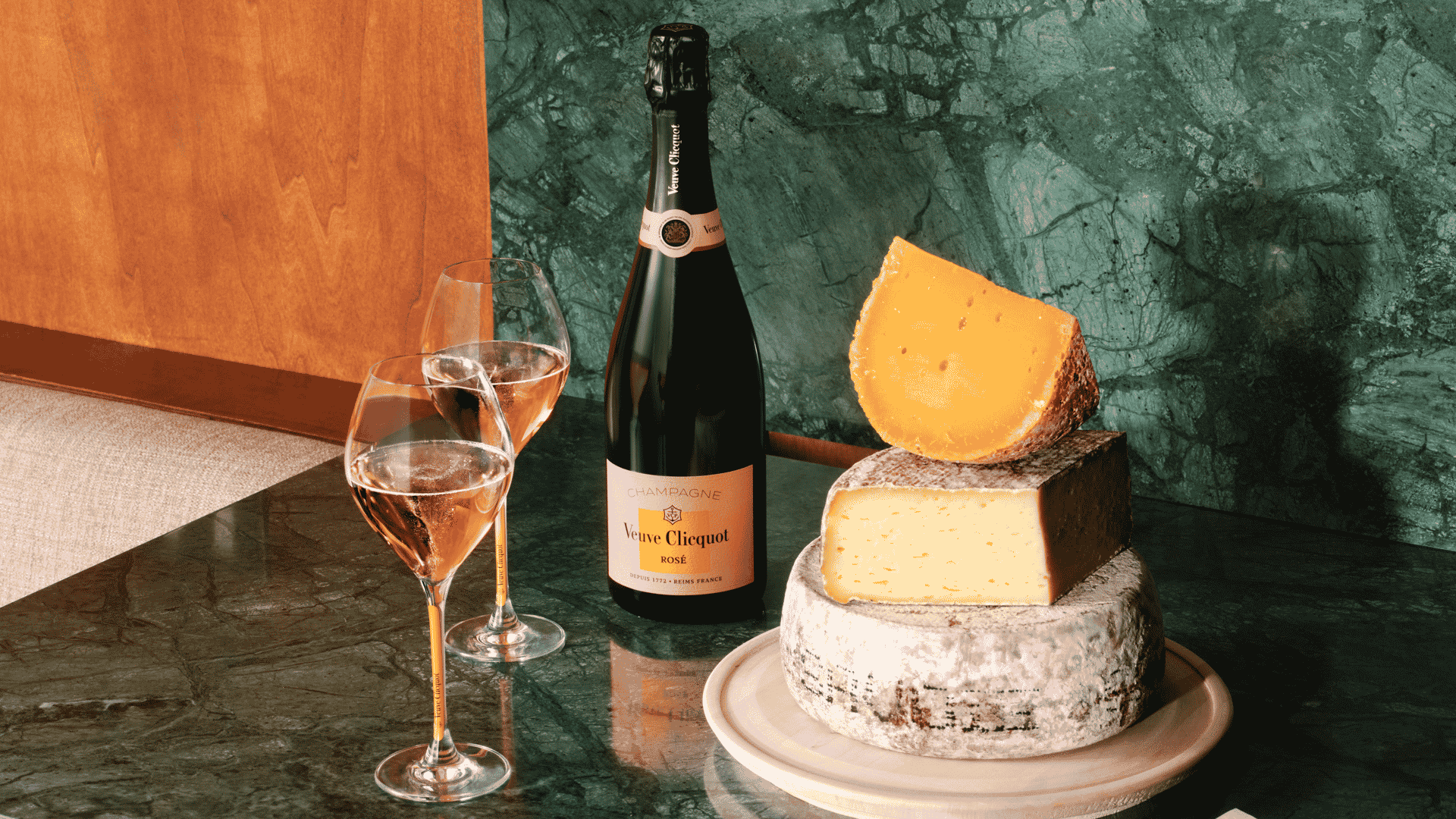
There's something joyful about the way rosé champagne pairs with cheese—a combination that embodies the easy chic and spontaneous pleasure that defines the solaire lifestyle.
Since Madame Clicquot invented the very first blended rosé in Champagne in 1818, this wine has demonstrated its ability to accompany a remarkable assortment of cheeses perfectly. The magic lies in rosé champagne's unique ability to balance freshness with depth, creating harmonious pairings that feel both sophisticated and natural.
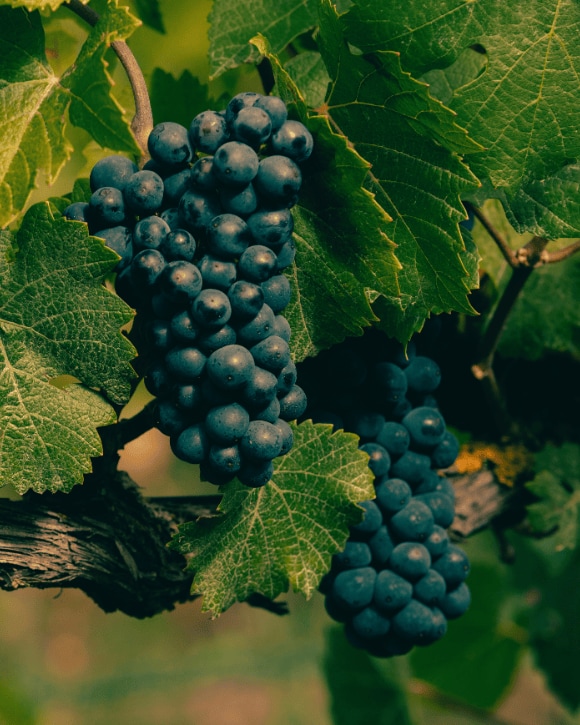
The secret behind successful rosé champagne and cheese combinations lies in the wine's distinctive personality. Rosé champagne offers a beautiful balance: it possesses the freshness and acidity to cut through rich, creamy textures while maintaining enough aromatic richness to complement complex flavors. This contrast stems from its unique production method, where red wine from Pinot Noir grapes adds strength and depth to the traditional champagne blend.
The bubbles themselves play a crucial role, acting as tiny palate cleansers that refresh your taste buds between bites of cheese. This effervescent quality means you can enjoy more varied cheese pairings without experiencing palate fatigue. Scientific research confirms that rosé is particularly well-suited to young goat cheese and soft-ripened cheeses, thanks to its balanced acidity and fruit-forward profile.
The best cheese selections depend on your chosen style of wine. Just as each rosé champagne expresses different characteristics, certain types of cheese harmonize better with specific expressions.
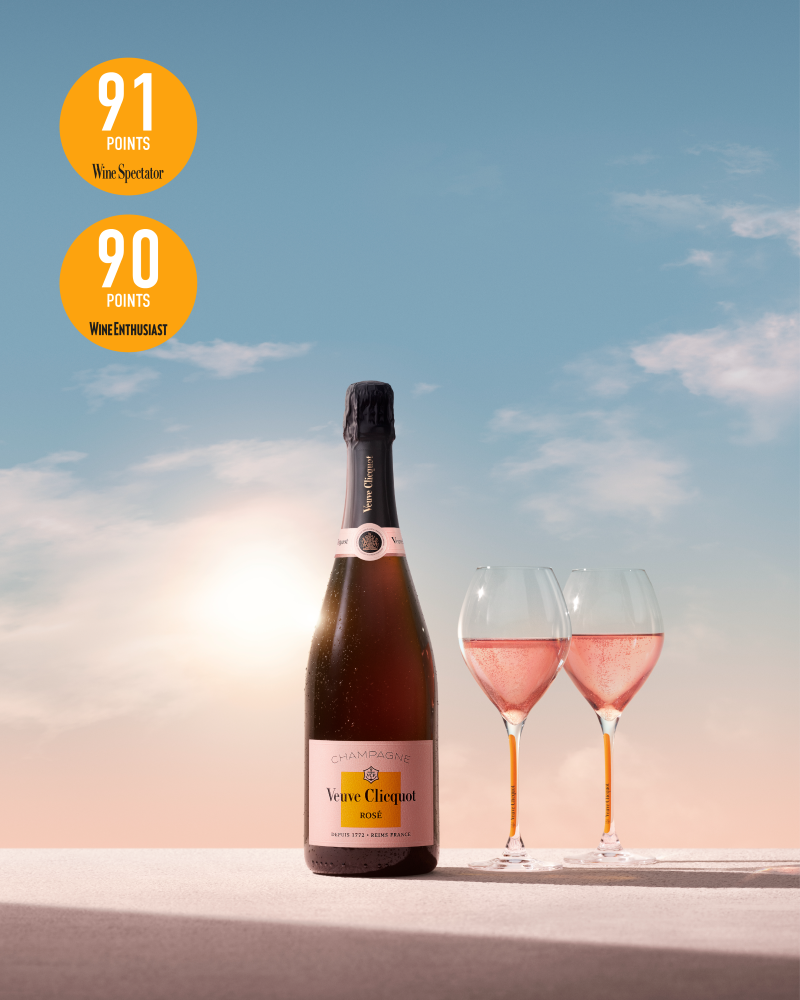
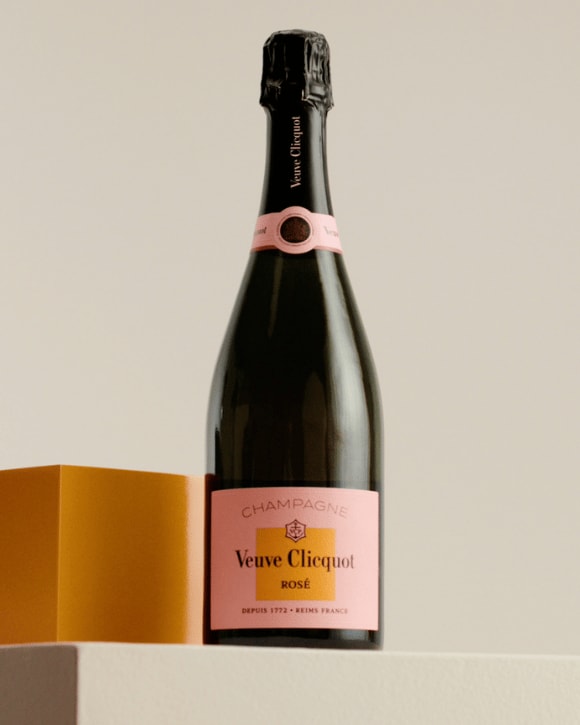
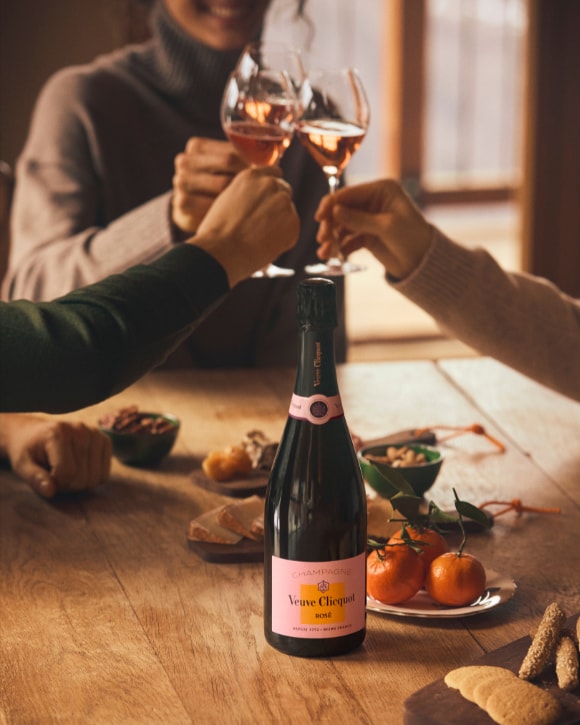
For fresh and vibrant rosé champagnes like Veuve Clicquot Rosé, which showcases notes of red and black fruits with pastry undertones, opt for fresh cheeses that won't compete with the wine's delicate character:
For something with more character, try feta or fresh mozzarella—their subtle saltiness brings out the rosé wine's fruity nuances beautifully.
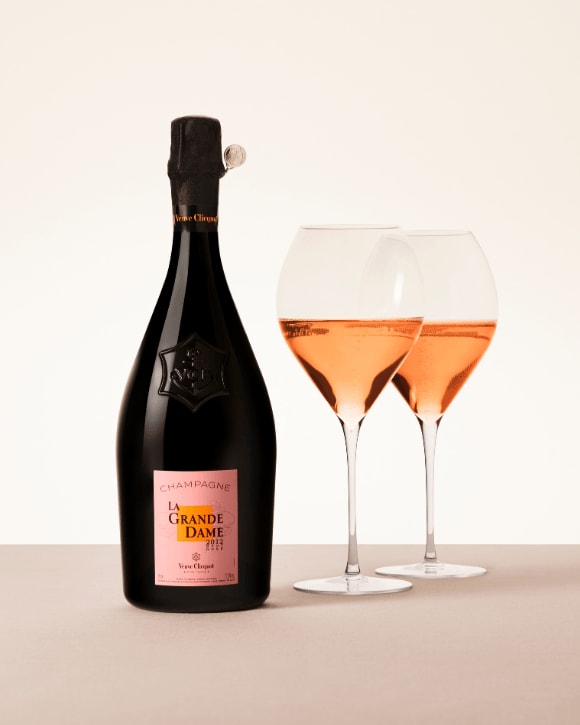
More structured vintage expressions like La Grande Dame Rosé 2012 can handle aged cheeses with greater intensity. These champagnes, with their complex notes of spices and dried fruits, pair well with aged Ossau Iraty, a sheep's milk cheese whose nutty, herbaceous character complements the wine's sophistication.
Aged Gouda and Mimolette create equally compelling matches: their caramelized sweetness and crystalline texture provide textural intrigue while their developed flavors dance alongside the champagne's aromatic complexity. For those seeking unexpected pleasure, try Pecorino Romano in moderation, where its sharp, salty character creates a delicious contrast that brightens the wine's fruit flavors.
While rosé champagne is remarkably versatile, some cheeses can still overpower its refined character, especially when you’re serving a fresh, dry non‑vintage style. Heavily aged blue cheeses, particularly the pungent varieties like Roquefort, tend to dominate lighter rosés and can flatten their vibrant fruit while making the acidity feel more aggressive. With richer, more structured cuvées such as vintage rosés or La Grande Dame Rosé, these same cheeses can work more successfully, especially when balanced with something slightly sweet on the side.
Similarly, very aged hard cheeses with pronounced ammonia scents or overly funky washed-rind varieties can disrupt the harmony of a delicate, dry rosé, masking its precision and freshness. The goal is balance: you want both the champagne and cheese to shine, not compete for attention. When in doubt, choose younger, creamier, or moderately aged cheeses for the fresher rosés, and reserve the boldest, most intense cheeses for the more powerful, gastronomic rosé cuvées that offer extra structure, aromatic richness, or sweetness.
Creating a great cheese board begins with understanding how to properly serve champagne. Serve your non-vintage rosé champagne between 46°F and 50°F to maintain its freshness and effervescent character. For vintage rosé champagnes, the ideal temperature ranges from 50°F to 54°F, allowing their complex aromas to fully express themselves.
Consider the variety of cheeses on your board: aim for three to five selections that span different textures and intensities. Include:
Don’t forget to add fresh fruits, nuts, and artisanal crackers to create textural variety and enhance the tasting experience.
For those looking to explore a more innovative expression of champagne, discover Veuve Clicquot RICH Rosé, a dosé cuvée crafted to be enjoyed on ice. Designed for relaxed, lifestyle moments rather than gastronomy, RICH Rosé reveals its full personality when served extremely chilled or poured over a large spherical ice cube. As the ice gently melts, it softens the wine's intensity and highlights its fresh, fruity aromatics, creating a smooth, indulgent mouthfeel. This chilled approach unlocks new pairing perspectives, making RICH Rosé particularly harmonious with delicate or creamy cheese profiles.