What is a Magnum of Champagne?

A magnum of champagne represents more than just a larger bottle: it embodies a philosophy of generous sharing and considered taste. Since Madame Clicquot's time, when champagne houses first popularized large-format bottles for prestigious tables across Europe, the magnum has held a unique position in the world of sparkling wine. Its appeal goes beyond impressive presentation: the magnum bottle size offers distinct advantages for both aging and aromatic expression, making it a choice that reflects both knowledge and style.

Key Takeaways

  • A magnum holds 1.5 liters, double the volume of a standard 75cl champagne bottle.
  • The format's unique liquid-to-air ratio creates optimal aging conditions for more harmonious aromatic development.
  • Magnums require longer refrigeration (approximately 24 hours) but maintain ideal serving temperature longer.
  • Several Veuve Clicquot offers cuvées are available in magnum format, from Yellow Label to La Grande Dame.
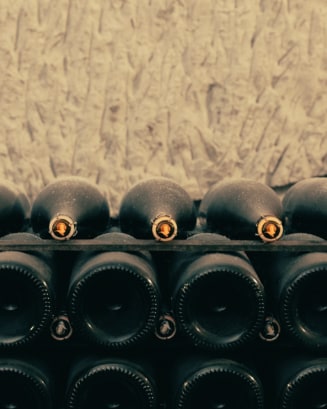
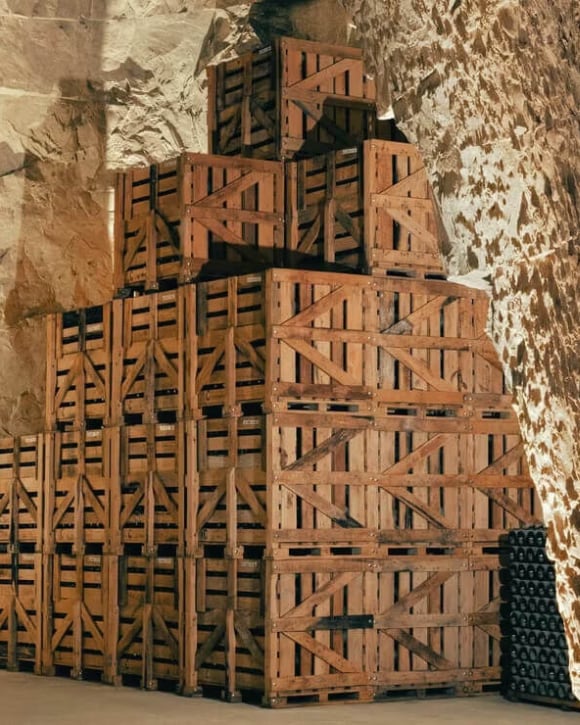
Veuve Clicquot champagne bottles aging in the factory cellar, including magnum sizes

What Does the Term "Magnum" Mean in Champagne?

The word "magnum" derives from the Latin "magnus," meaning "great" or "large." In champagne terminology, a magnum bottle contains precisely 1.5 liters of wine, making it the equivalent of two standard bottles of 75cl each. This format serves around 12 glasses of champagne, though the exact number depends on your pour and glassware choice.

The magnum stands as the first step among larger bottle sizes in champagne. Beyond it, formats grow progressively grander: the jeroboam of champagne holds 3 liters (four standard bottles), while even more impressive sizes like the methuselah and nebuchadnezzar exist for truly grand occasions. Wine professionals1 have long observed that the larger the bottle, the slower and more stately the wine’s evolution, a belief echoed in comparative tastings where older vintages from large formats often appear fresher and more vibrant than the same wines in standard bottles.


Why Do Champagne Magnums Age Better Than Standard Bottles?

The magnum's reputation for superior aging stems from precise oenological principles that align perfectly with Veuve Clicquot's savoir-faire.

The Art of Slower Maturation

Inside a magnum champagne bottle, the ratio of liquid volume to air creates uniquely favorable conditions for slow, graceful aging. Since the neck diameter remains similar to a standard bottle while the wine volume doubles, oxidation occurs more slowly. This measured pace allows the blend of reserve wines and fresh cuvées to harmonize with greater elegance, developing richer aromatic layers while maintaining the fresh acidity that defines exceptional champagne.

In Veuve Clicquot's historic cellars in Reims, this principle becomes practical. The House's commitment to proper aging ensures that champagnes in magnum format benefit from extended time on the lees, where they develop the complexity and structure that made Madame Clicquot's wines legendary. The slower evolution preserves the bright character while building depth, strength and delicacy in perfect balance.


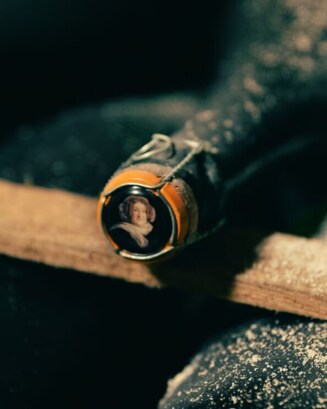
Veuve Clicquot champagne cork with 'Madame Clicquot' engraving, representing heritage and quality
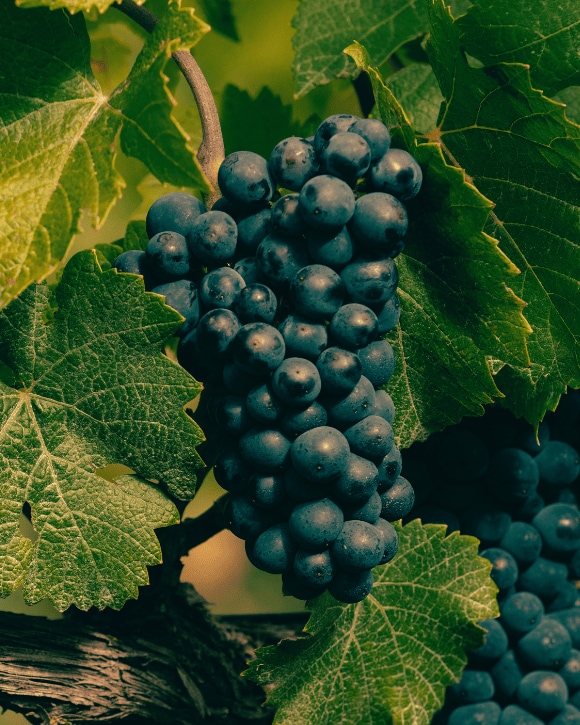
Veuve Clicquot grapes pinot noir

Which Veuve Clicquot Champagnes Can You Discover in Magnum Format?

Veuve Clicquot reserves the magnum format for expressions that showcase the House's signature style and excellence. The iconic Brut Yellow Label in magnum delivers the House's signature balance: 

  • 50% Pinot Noir providing structure;
  • 30% Chardonnay bringing elegance;
  • 20% Meunier contributing roundness. 

The aromatic richness unfolds with notes of white fruits, citrus, and brioche: the essence of Veuve Clicquot's contemporary yet timeless style.

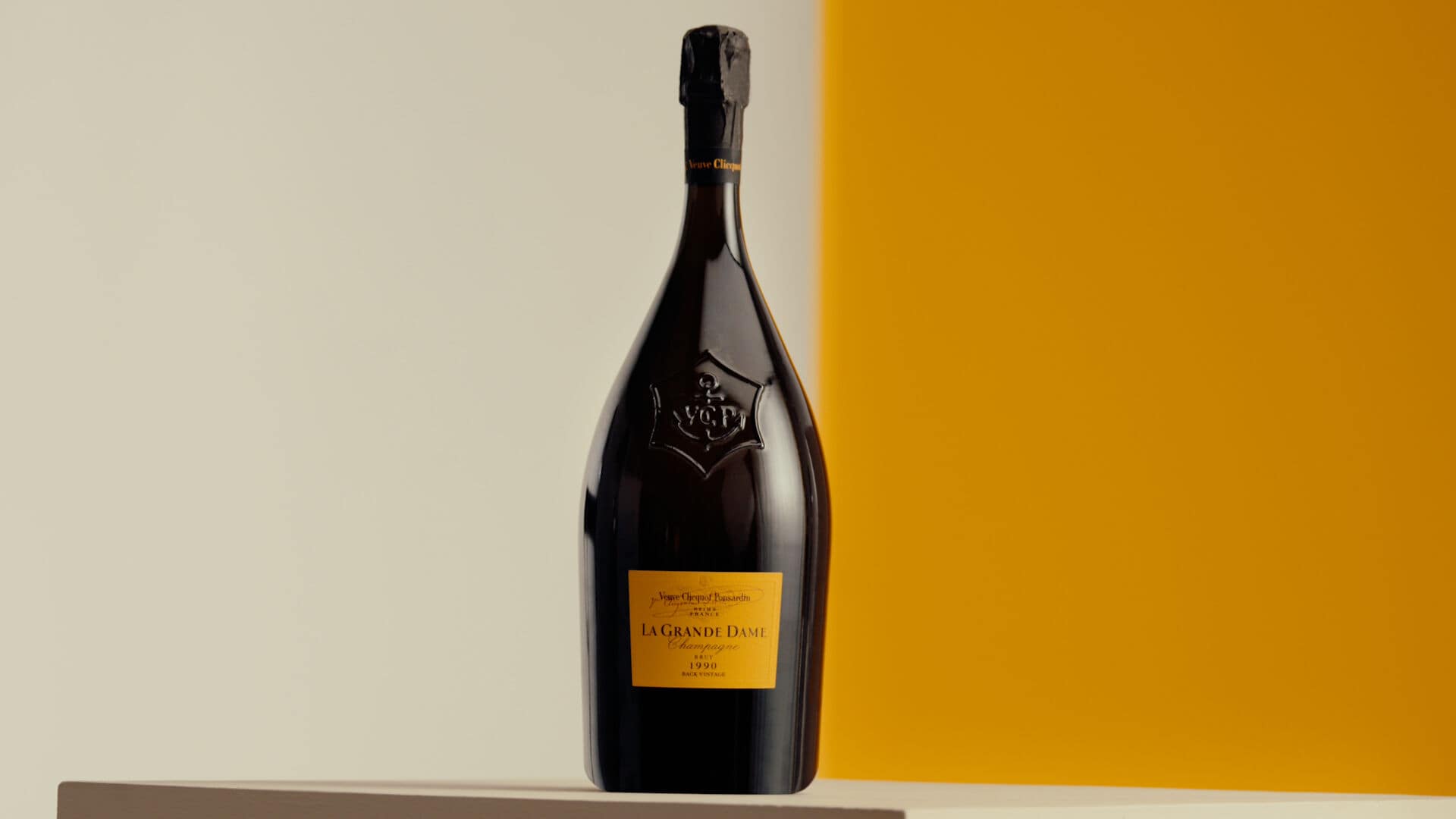
For those seeking the vibrant energy of Veuve Clicquot Brut Rosé, the magnum format enhances its red fruit character and pastry notes, while preserving the freshness and depth that define this cuvée. Even rarer, La Grande Dame 1990 remains available for collectors in large formats such as magnum and jeroboam, offering a profoundly complex and perfectly matured expression of the House’s art of Pinot Noir.


How Should You Serve a Magnum of Champagne?

Serving a magnum requires thoughtful preparation to honor the wine's quality. Place the bottle in your refrigerator approximately 24 hours before serving, as its double the size volume needs extended time to reach the ideal temperature of 8-10°C for non-vintage brut styles. This longer chilling period proves worthwhile: once opened, the magnum's greater thermal inertia keeps the champagne fresher longer than standard bottles.

When ready to pour, the technique mirrors opening any champagne bottle, though the weight demands a steadier hand. Choose appropriate glassware to fully appreciate the aromatic expression that makes magnums so compelling. Whether you're sharing with friends or creating a moment of spontaneous pleasure, a magnum transforms any gathering into something more memorable, more optimistic, more unmistakably chic.

Bottle size matters

Cases of Veuve Clicquot champagne bottles for distribution
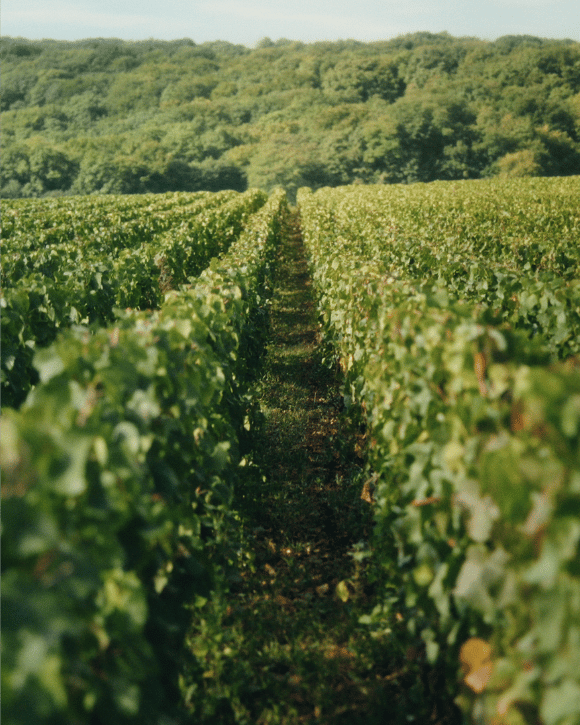
Veuve Clicquot vineyard where grapes for champagne are grown, source of quality grapes
Close-up of ripe champagne grapes on the vine, ready for harvest for Veuve Clicquot production