Der Missbrauch von Alkohol ist gefährdet Ihre Gesundheit. Trinken Sie verantwortungsbewusst. Veuve Clicquot unterstützt den verantwortungsvollen Konsum von Weinen und Spirituosen durch Moët Hennessy, Mitglied von Spirits EUROPE, Diskutieren und Wein in Maßen.

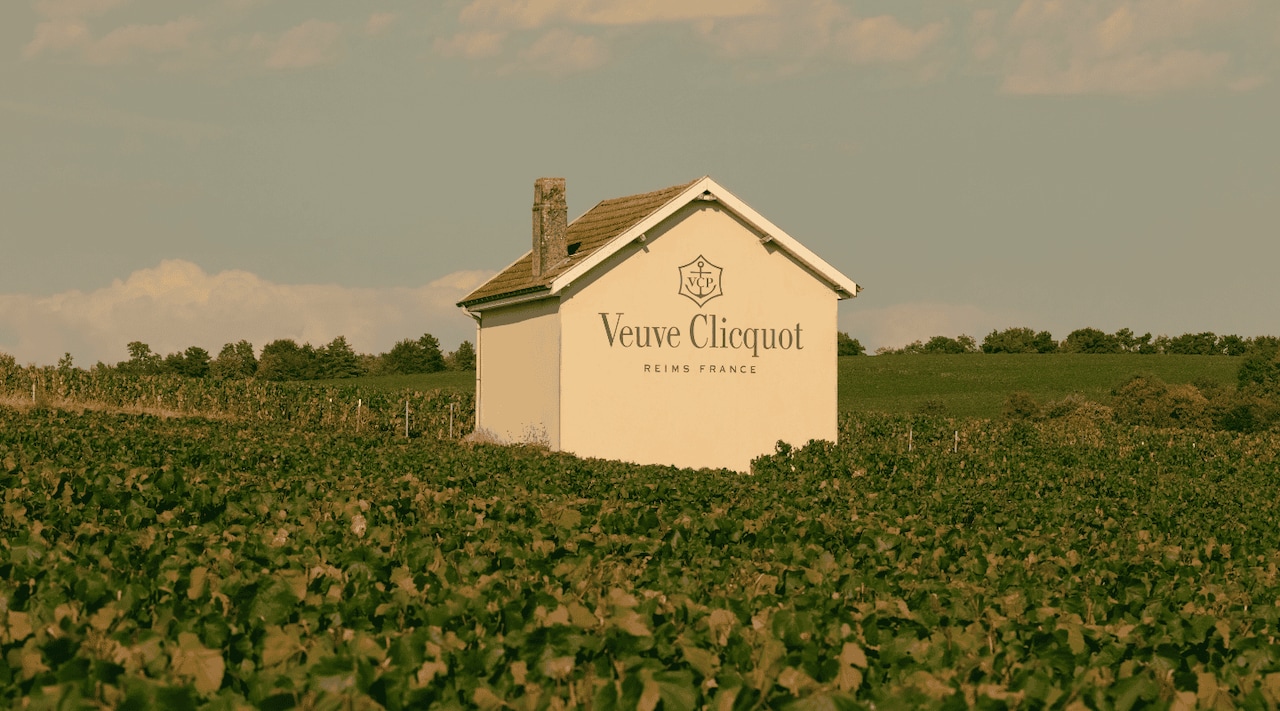
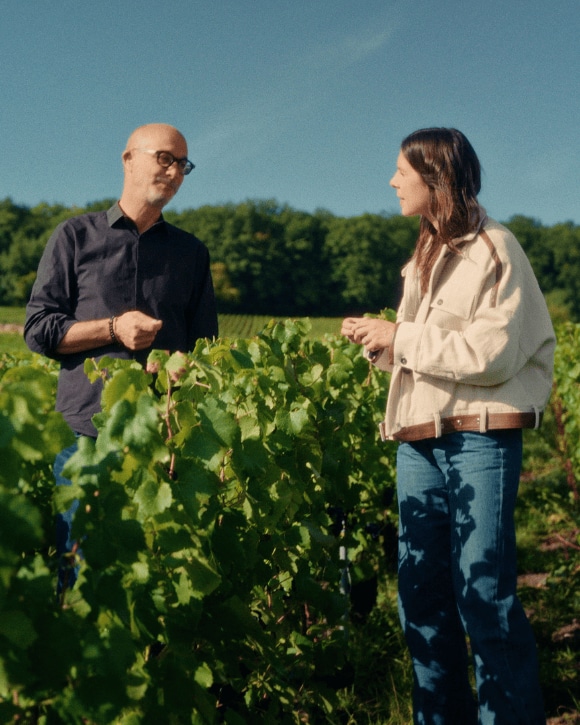
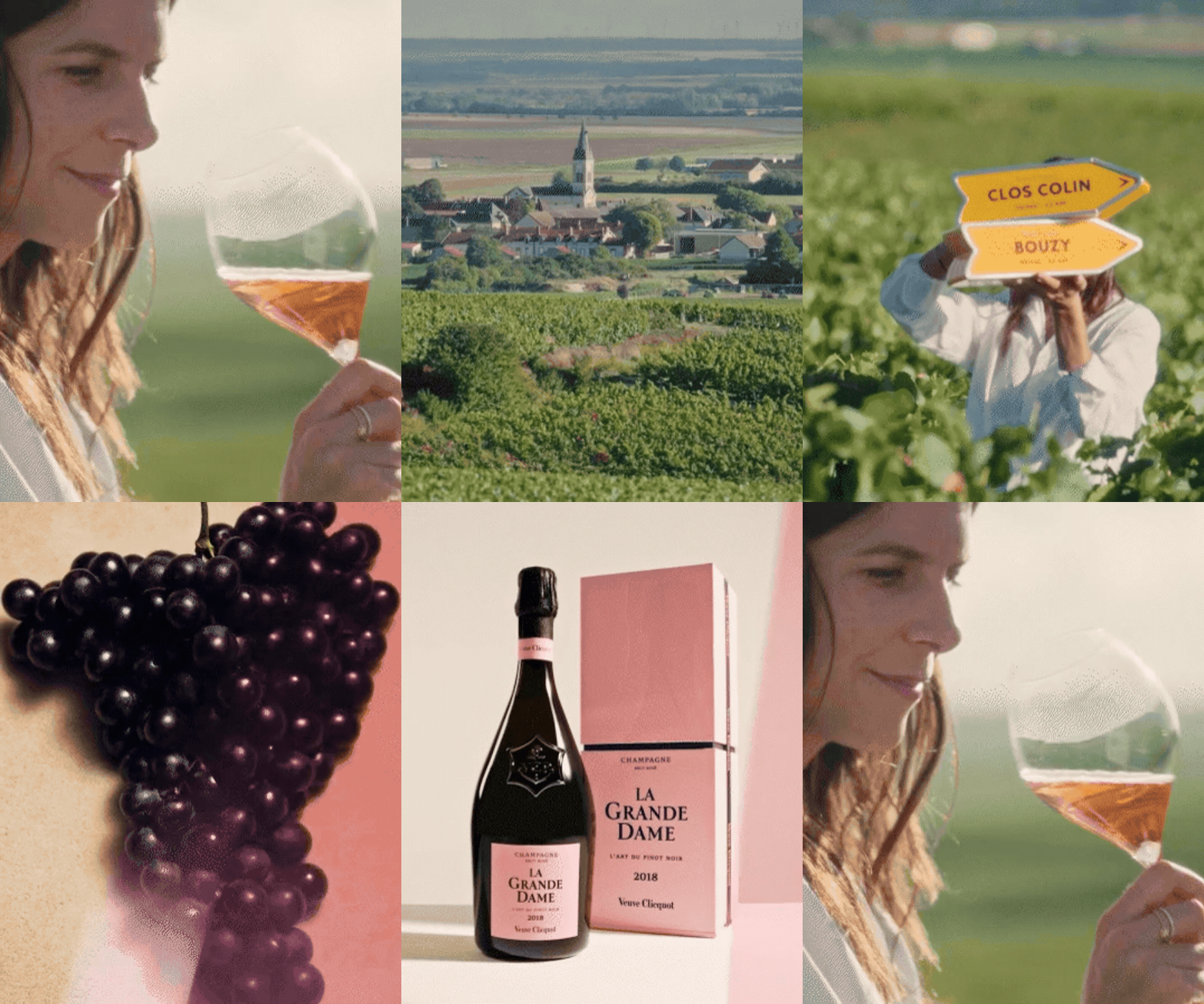
Clicquot in the making invites you behind the scenes of the House, through a series of films presented by Raphaële Marchal.
Guided by her encounters with Veuve Clicquot’s vineyard and cellar teams, each episode explores a key stage of the winemaking process — from harvest to vinification — revealing the precision, savoir-faire and heritage that shape the House’s style.
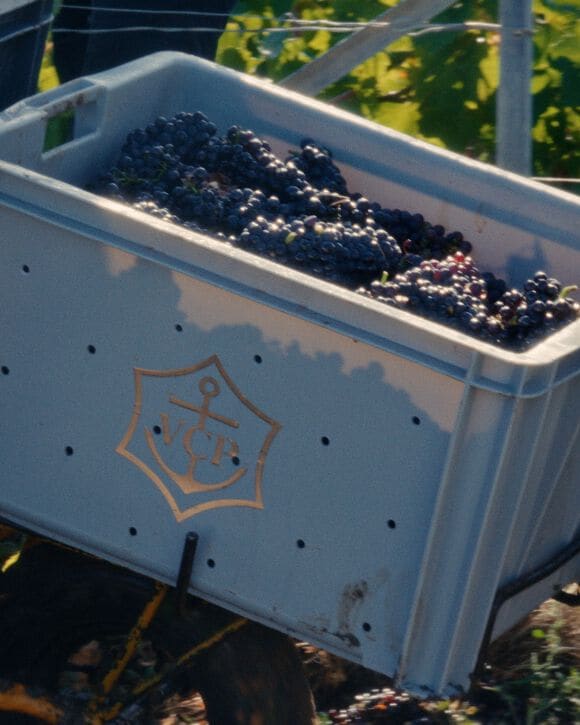
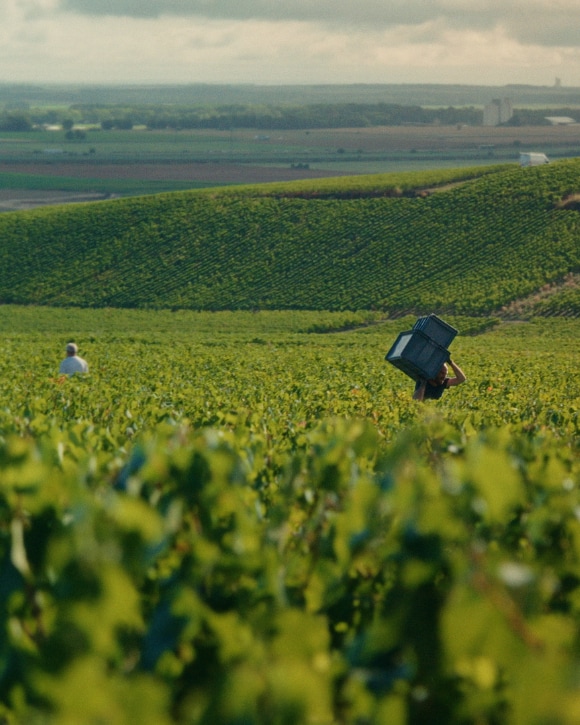
Harvest marks the starting point of the winemaking process. In just a few days, months of vineyard work come together through precision, timing and collective expertise.
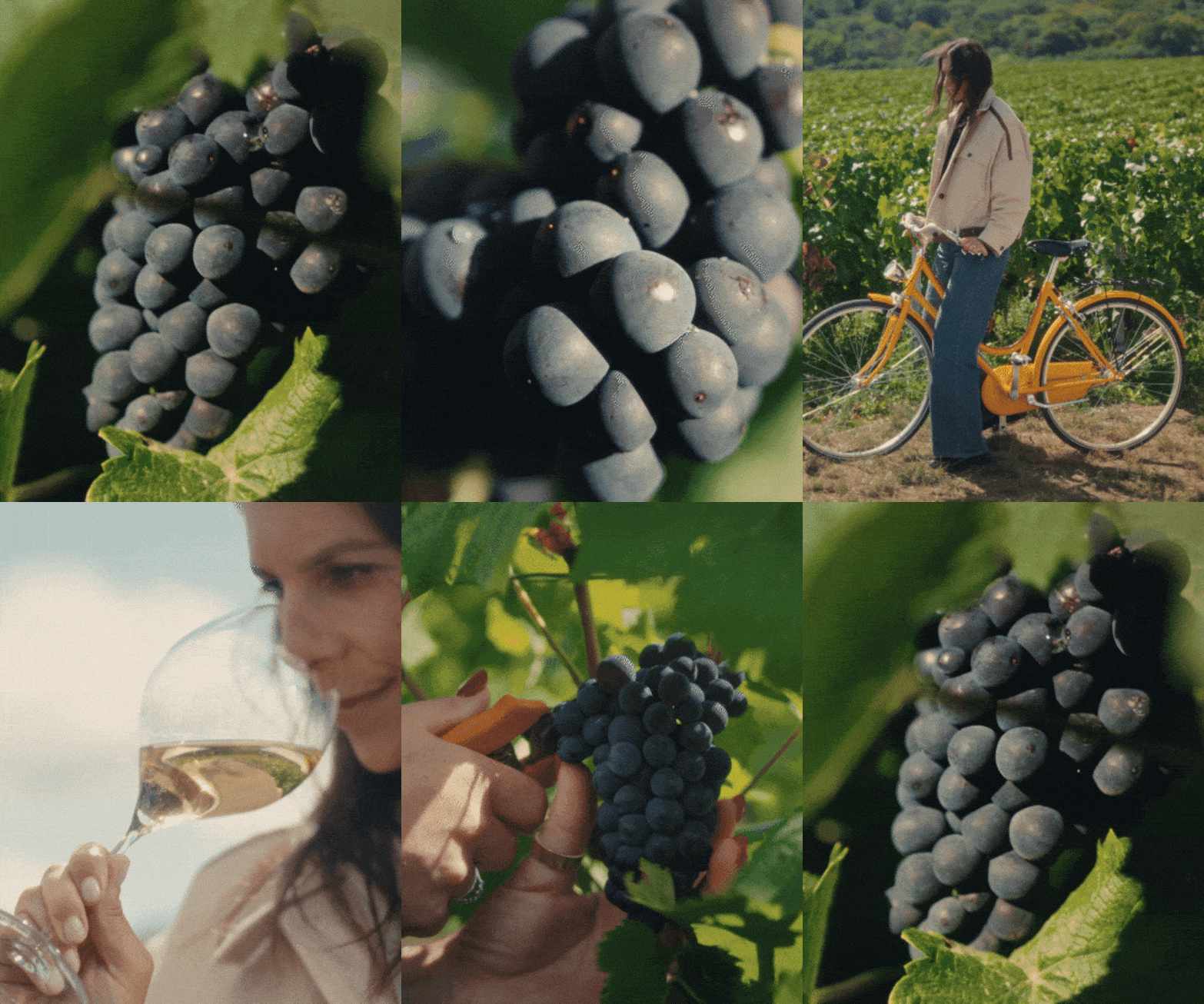
At Veuve Clicquot, grapes are harvested exclusively by hand, parcel by parcel, then gently pressed to preserve their integrity and purity. In Verzy, the House’s historic press remains in use, continuing a savoir-faire passed down through generations — where the journey from vine to wine truly begins.
Only one quality, the finest.
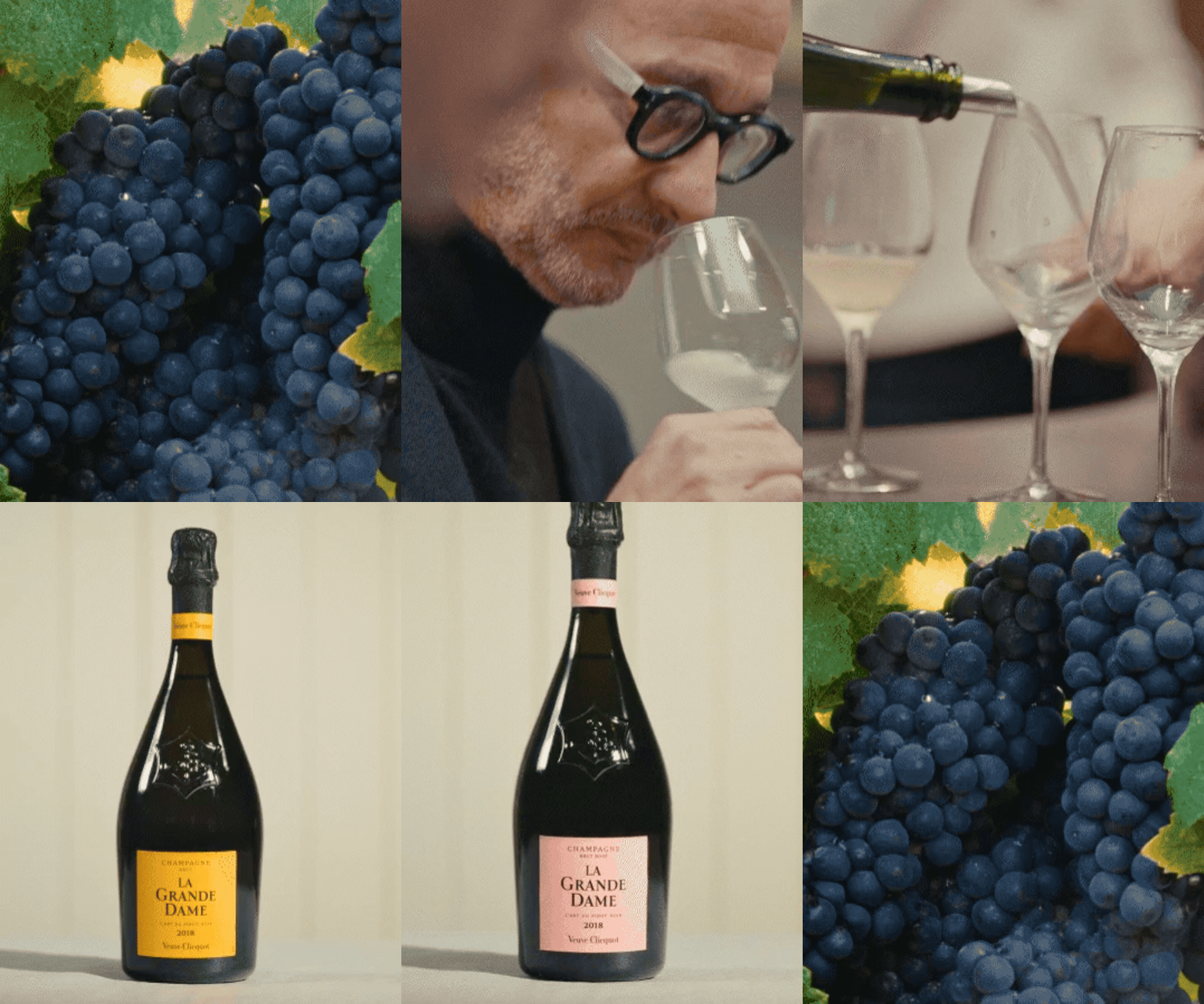
At Veuve Clicquot, Pinot Noir is more than a grape variety — it is a signature. Central to the House’s style, it plays a defining role in the structure and identity of its champagnes.
Grown primarily in the Montagne de Reims, Pinot Noir requires constant attention and precision. Each cru brings its own nuance, contributing to a complex and balanced expression. From vineyard to cellar, mastering this demanding grape is essential to shaping the character of the wines and, in particular, to expressing the Art of Pinot Noir embodied by La Grande Dame.
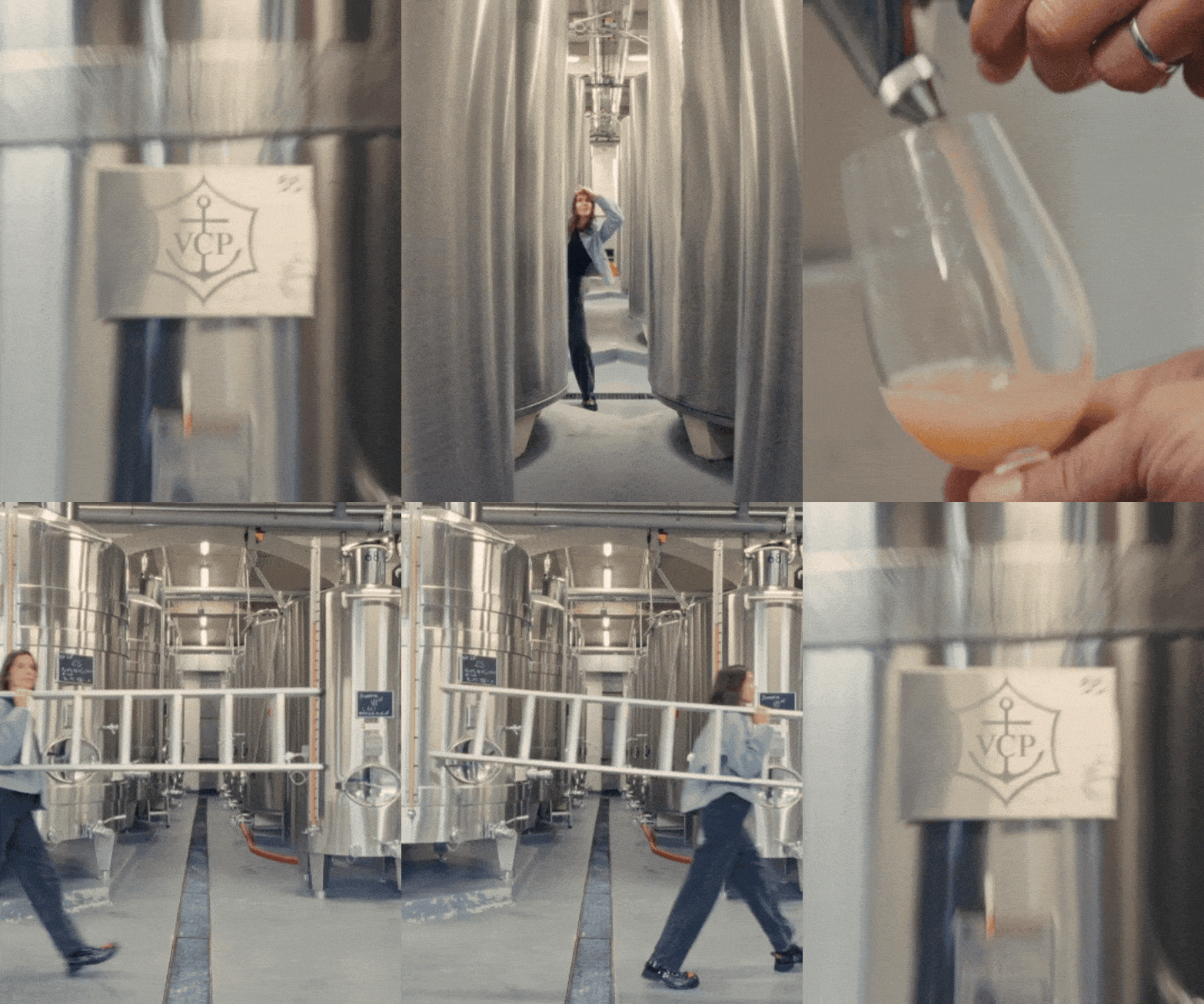
In the cellar, the freshly pressed juice begins its transformation. Carefully selected and vinified separately, each lot is handled according to its grape variety and origin, preserving the unique identity of every cru.
Throughout fermentation, the wines are monitored daily, measured, tasted and understood. This precise work allows the winemaking team to reveal the character of each wine and assess its potential. At this stage, the clear wines are not yet Champagne, but they already form the foundation of future blends — where balance, expression and precision guide every decision.