L'abuso di alcol è pericoloso per la salute. Bevete in modo responsabile. Veuve Clicquot sostiene il consumo responsabile di vini e alcolici, attraverso Moët Hennessy, membro di Spirits EUROPE, Discus e Wine in Moderation.

Understanding the alcohol content of champagne opens a window into the craft behind every bottle. While the bubbles capture immediate attention, Champagne’s alcohol content is primarily shaped through fermentation, while vineyard selection and blending contribute to its distinctive style and balance. This knowledge enhances appreciation for how champagne balances strength with delicacy, intensity with freshness. Whether you're discovering champagne for the first time or deepening your expertise, knowing what shapes its alcohol content reveals the meticulous work behind each pour.
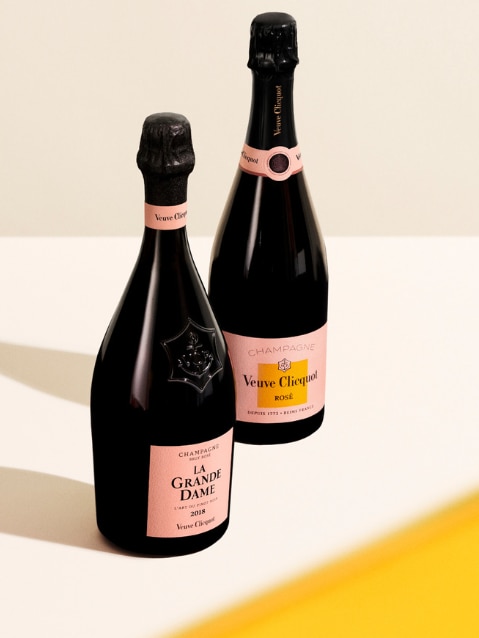
Most champagne contains approximately 12% ABV¹, positioning it within the same range as many still wines. Veuve Clicquot's iconic Yellow Label Brut exemplifies this standard with 12,5% ABV. Its blend can include up to 45% reserve wines, carefully selected to ensure the quality and consistency of the Veuve Clicquot style. The Veuve Clicquot Brut Rosé maintains a similar 12% ABV while incorporating 12% red wine from Pinot Noir. For those seeking a more intense experience, Vintage 2015 showcases the power and aromatic richness that come from exceptional years, while Veuve Clicquot RICH, designed to be enjoyed chilled or on ice, offers a different expression with a higher dosage, creating a sweeter, rounder and more generous style.
The magic of champagne lies in its transformation through two distinct fermentations, a process that sets it apart from still wines.
During this initial fermentation, yeasts transform the naturally occurring sugars in the grape must into alcohol, creating the still wines that will later form the basis of the final blend. The careful selection of grapes provides the winemaking team with a diverse palette of wines from which to create the final blend.
The signature step in creating champagne occurs when winemakers add a precise mixture of sugar and yeast to the base wine, triggering a second fermentation inside the bottle. This second fermentation produces both a small additional amount of alcohol and carbon dioxide. As the carbon dioxide remains trapped inside the sealed bottle, it creates Champagne’s characteristic effervescence. We call it prise de mousse. Following the second fermentation in bottle, the wines age on their lees, gradually developing greater aromatic complexity, texture and finesse.
Champagne occupies a balanced position in the spectrum of alcoholic beverages. At around 12% ABV, Champagne generally contains more alcohol by volume than beer and considerably less than distilled spirits such as whiskey, vodka or gin. The alcohol content aligns closely with still wines, though the presence of bubbles creates a different sensory experience.
Champagne’s alcohol content is broadly comparable to that of many still wines, although alcohol levels can vary depending on the wine.
While alcohol levels remain relatively consistent across Champagne styles, dosage and aging can significantly influence the wine’s balance, texture and aromatic expression. Brut champagnes combine restrained sweetness with freshness and acidity, creating a balanced and precise tasting experience. Extra Brut styles contain less sugar than Brut Champagnes, highlighting a different balance between freshness, acidity and sweetness without necessarily changing the wine’s alcohol level.
The choice of grape varieties also plays an important role in shaping the character and balance of Champagne. At Veuve Clicquot, Pinot Noir brings structure and strength to the blend, Chardonnay contributes elegance and finesse, while Meunier brings roundness. Together, they shape the balance and distinctive style of the Champagne.