Veuve Clicquot est en faveur d'une consommation modérée de ses produits par le biais de Moët Hennessy, membre de l'organisation Wine in Moderation.
L'ABUS D'ALCOOL EST DANGEREUX POUR LA SANTÉ, À CONSOMMER AVEC MODÉRATION.

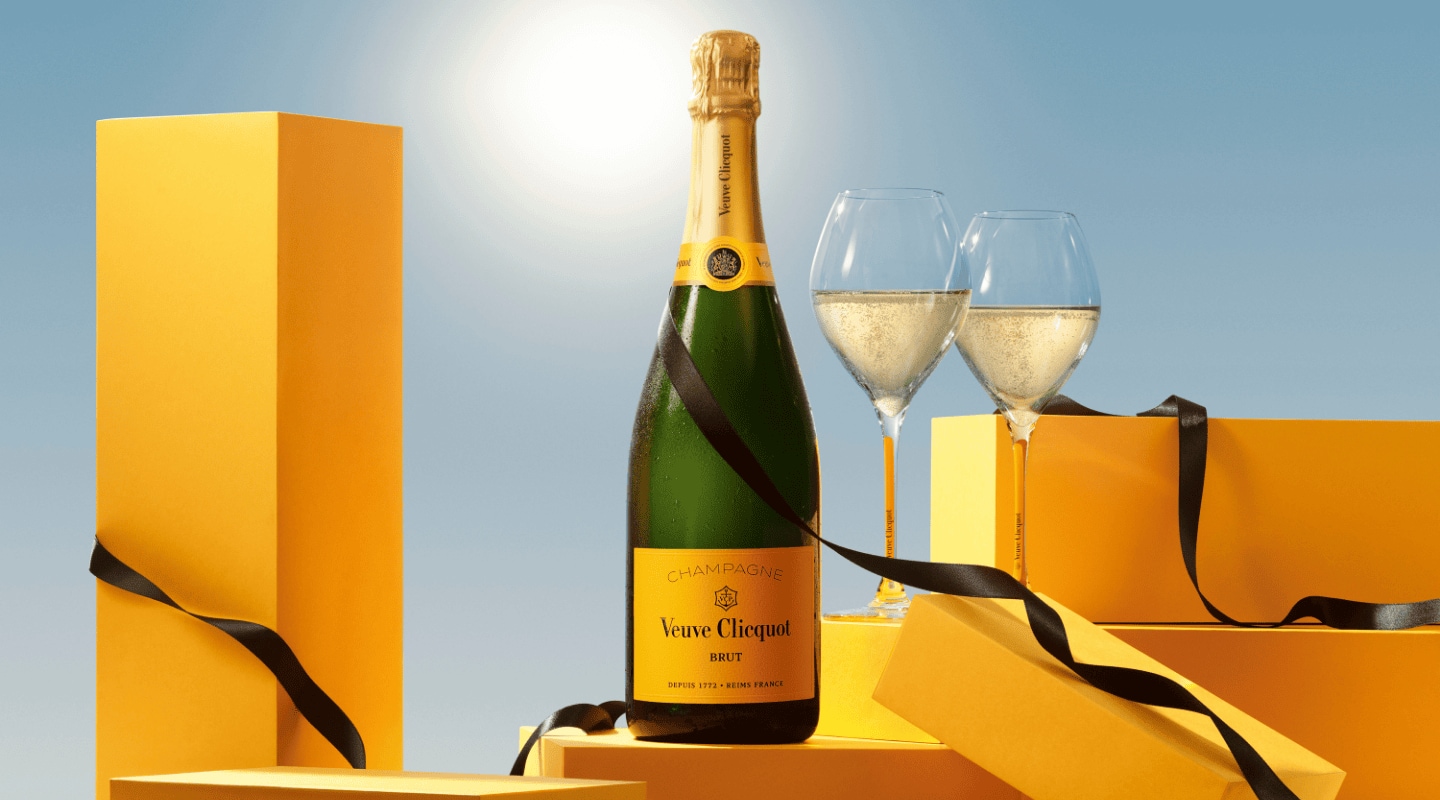
The question of whether champagne is sparkling wine touches on both science and geography. The short answer is yes: champagne belongs to the sparkling wine family, defined by its effervescence and high dissolved carbon dioxide. Yet champagne stands apart through strict geographic boundaries, centuries of savoir-faire, and an unwavering commitment to quality that Madame Clicquot herself championed. Understanding this relationship reveals why Champagne represents the pinnacle of sparkling wine excellence.
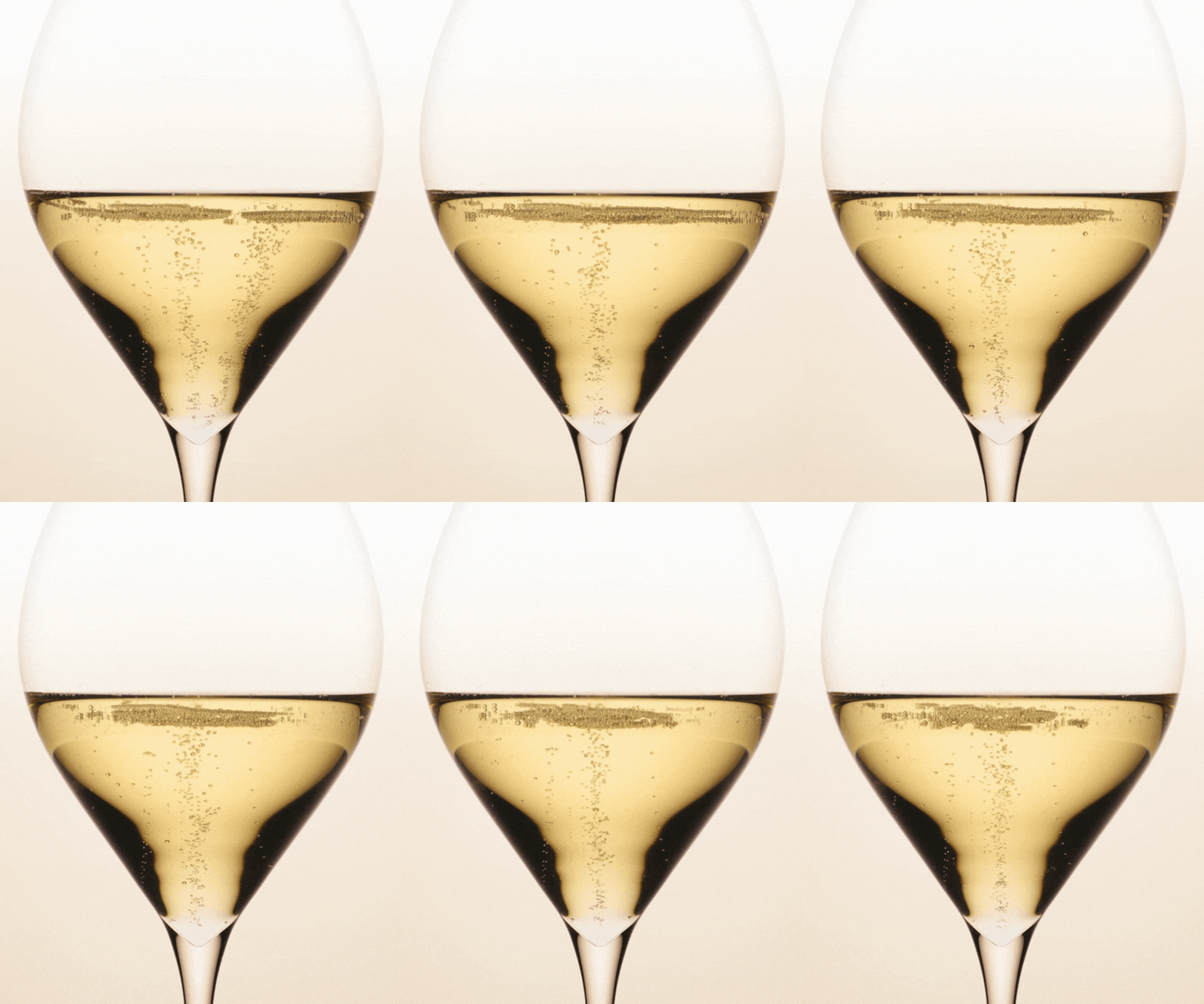
Yes, champagne is sparkling wine. From a technical perspective, any wine containing significant levels of dissolved CO₂ that produces effervescence qualifies as sparkling wine. Research on sparkling wine bubble dynamics ¹ demonstrates that champagne sits at the high end of carbonation among alcoholic beverages, with typical bottleneck pressure reaching 5-7 atmospheres at 20°C.
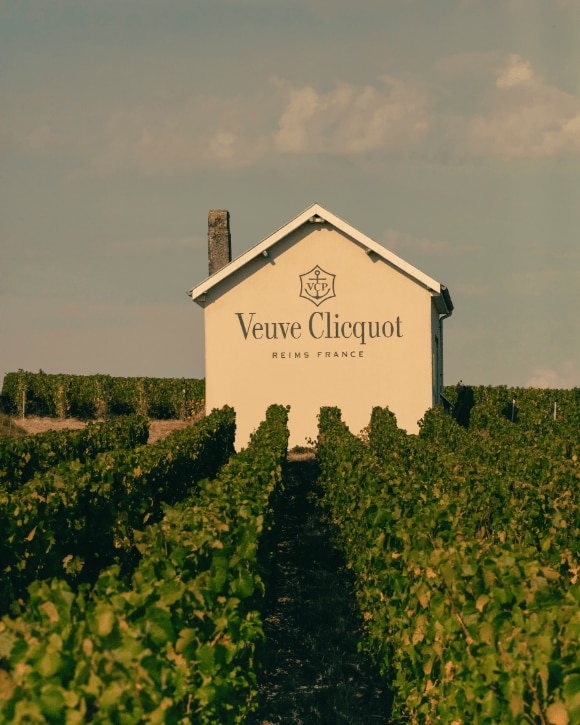
The distinction also lies in geography and regulation. Only sparkling wines produced in the Champagne region of France, using specific grapes and methods, may legally be called champagne. This region in northeastern France, near Reims, operates under strict Appellation d'Origine Contrôlée (AOC) rules that govern everything from vineyard practices to bottle aging. European law and an 1891 treaty protect the champagne name globally, ensuring that what arrives in your glass reflects centuries of dedication to excellence.
Several factors distinguish champagne from other sparkling wines, from terroir to production philosophy.
Terroir is the real differentiator. Pinot Noir, Chardonnay, and Meunier grow in wine regions across the world, yet none produces the same character as in Champagne. The region's chalk subsoil, cool northern climate, and mosaic of 319 recognized crus create a balance between acidity and ripeness that yields a freshness and aromatic finesse singular to this corner of France.
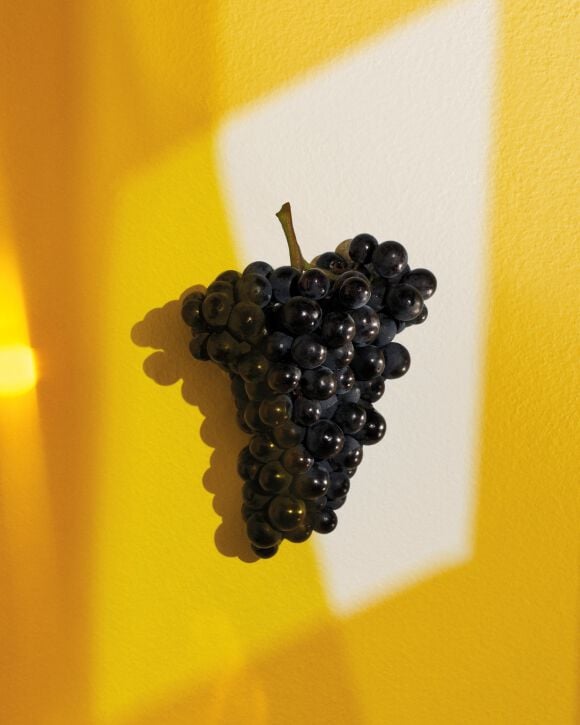
Seven grape varieties are authorized under the appellation, but three account for the vast majority of grapes used in champagne:
Madame Clicquot believed that "our black grapes give the finest white wines," a philosophy reflected in Veuve Clicquot Yellow Label, where Pinot Noir forms 50% of the blend, drawn from 50 to 60 crus.
The traditional method (formerly méthode champenoise) remains essential to champagne quality. After initial fermentation, winemakers add yeast and sugar to induce secondary fermentation directly in the bottle, creating natural carbonation. This second fermentation process, combined with extended aging on the lees, develops the texture and aromatic richness that define champagne. AOC regulations require minimum aging of 15 months for non-vintage and three years for vintage expressions, though many houses exceed these standards.
Veuve Clicquot maintains reserves of up to 400-500 wines, some aged over 30 years, allowing cellar masters to craft consistent, exceptional blends. This dedication to only one quality, the finest distinguishes champagne from sparkling wines made via faster, less demanding methods. For those seeking the ultimate expression, La Grande Dame 2018 showcases this mastery with 90% Pinot Noir from historic crus.
The answer illuminates what champagne truly represents. Champagne is sparkling wine, yet it stands apart through the precision of its terroir, the depth of its assemblage, and an aromatic expression no regulation alone can create.
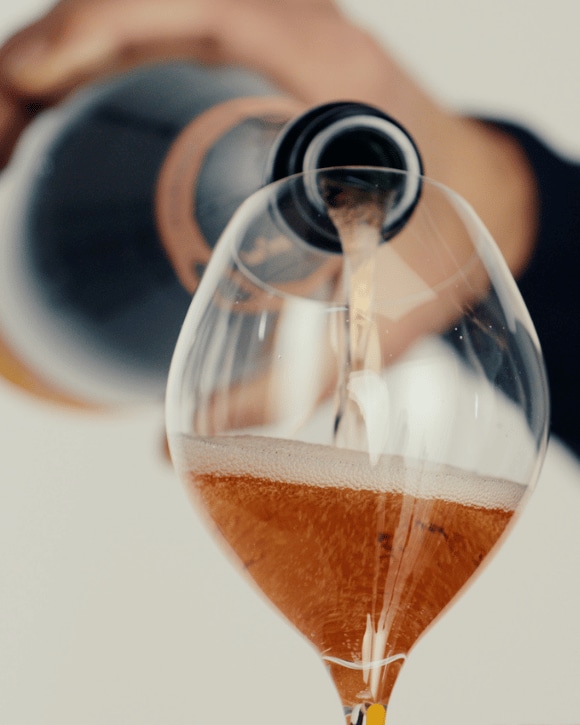
Veuve Clicquot Brut Rosé exemplifies this approach. In France, blending still red wine into a white base is, with rare exceptions, prohibited. Champagne is one of those exceptions. Rosé champagne can be made two ways: by maceration; or by assemblage, blending white base wines with a still Pinot Noir from the appellation. This second technique, unique to Champagne in France, is central to Veuve Clicquot Brut Rosé. Invented by Madame Clicquot in 1818, the first of its kind, it brings vibrant fruitiness, fresh texture, and warm spice, built on the Yellow Label's structure and enriched with 12% still red wine from Bouzy.
Understanding what champagne truly represents and how champagne is made illuminates why it stands apart. Whether you're selecting the best option for seasonal gatherings or exploring vintage expressions like Veuve Clicquot Vintage 2015, champagne is sparkling wine at its most refined where terroir, technique, and vision converge.