Veuve Clicquot est en faveur d'une consommation modérée de ses produits par le biais de Moët Hennessy, membre de l'organisation Wine in Moderation.
L'ABUS D'ALCOOL EST DANGEREUX POUR LA SANTÉ, À CONSOMMER AVEC MODÉRATION.

Understanding champagne measurements goes beyond simple numbers. When Madame Clicquot said, "Our wines must be flattering both on the palate and on the eye," she understood that every detail matters, from the aromatic expression in your glass to the precision of each pour. Whether you're planning an intimate gathering or simply curious about what lies within that iconic bottle, knowing the standard champagne bottle size in ounces helps you appreciate pour every glass with the attention it deserves.
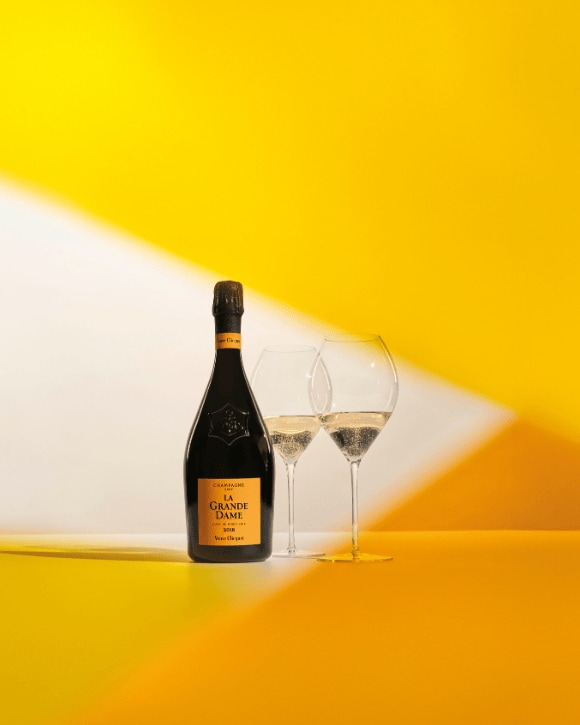
· A standard champagne bottle contains 75cl or 25.4 fluid ounces.
· This yields approximately 6 to 8 glasses at 4 to 5 ounces per serving.
· Larger formats like magnums (1.5L) and jeroboams (3L) offer different serving capacities.
· Bottle size influences both serving quantity and aging potential.
· The standard 75cll format has remained consistent across champagne houses for over a century.
The standard champagne bottle holds 75 centiliters, which converts to approximately 25.4 U.S. fluid ounces. This measurement has become the global standard for wine worldwide, establishing consistency in how we experience these wines. This 75cl standard offers just the right balance: enough wine to be shared over several glasses, while providing a volume that supports a controlled evolution of the champagne’s aromas and bubbles over time.
Within this universal format, Veuve Clicquot expresses over 250 years of savoir-faire. From the fresh, fruity character of Veuve Clicquot Brut Yellow Label to the aromatic richness of Veuve Clicquot Brut Rosé, the 75cl bottle is where the House's distinctive style reveals itself with precision and balance.
Beyond the standard bottle, champagne comes in various formats that transform how you serve and experience the wine. The magnum stands as the most popular larger format, containing 1.5 liters or 50.7 fluid ounces. This bottle size holds the equivalent of two standard bottles and serves approximately 12 to 14 glasses. Magnums offer more than just quantity. The reduced ratio of oxygen to wine allows champagne to age more gracefully, developing greater complexity and refined bubbles over time. This makes formats like the La Grande Dame 1990 Magnum particularly sought after by connoisseurs who appreciate how bottle size influences maturation.
For those seeking even grander expressions, the jeroboam contains 3 liters (101.4 ounces), equivalent to four standard bottles and yielding approximately 24 glasses. The La Grande Dame 1990 Jeroboam exemplifies how these larger formats preserve the wine's verticality and aromatic purity.
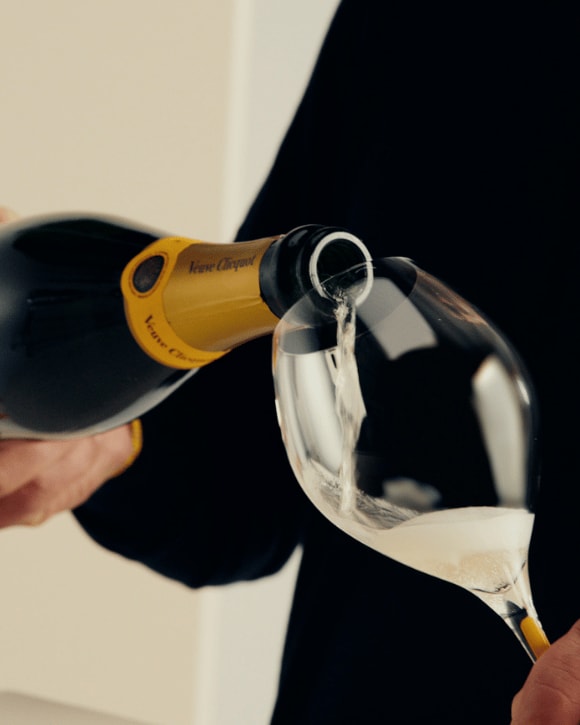
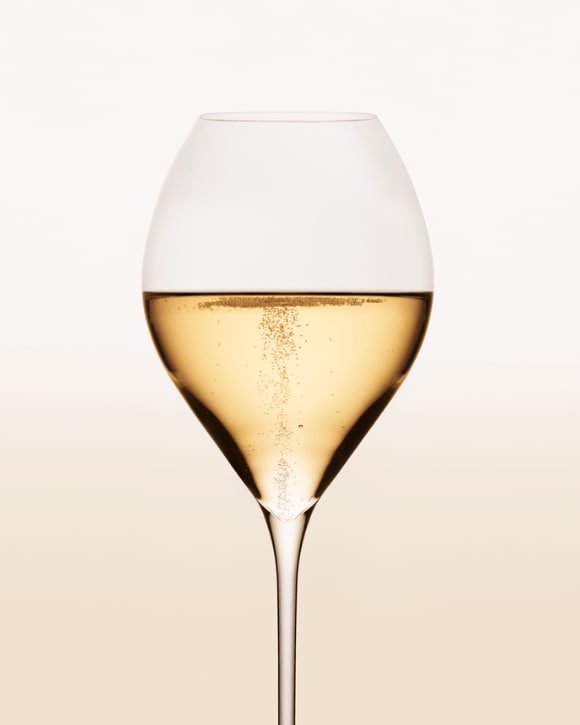
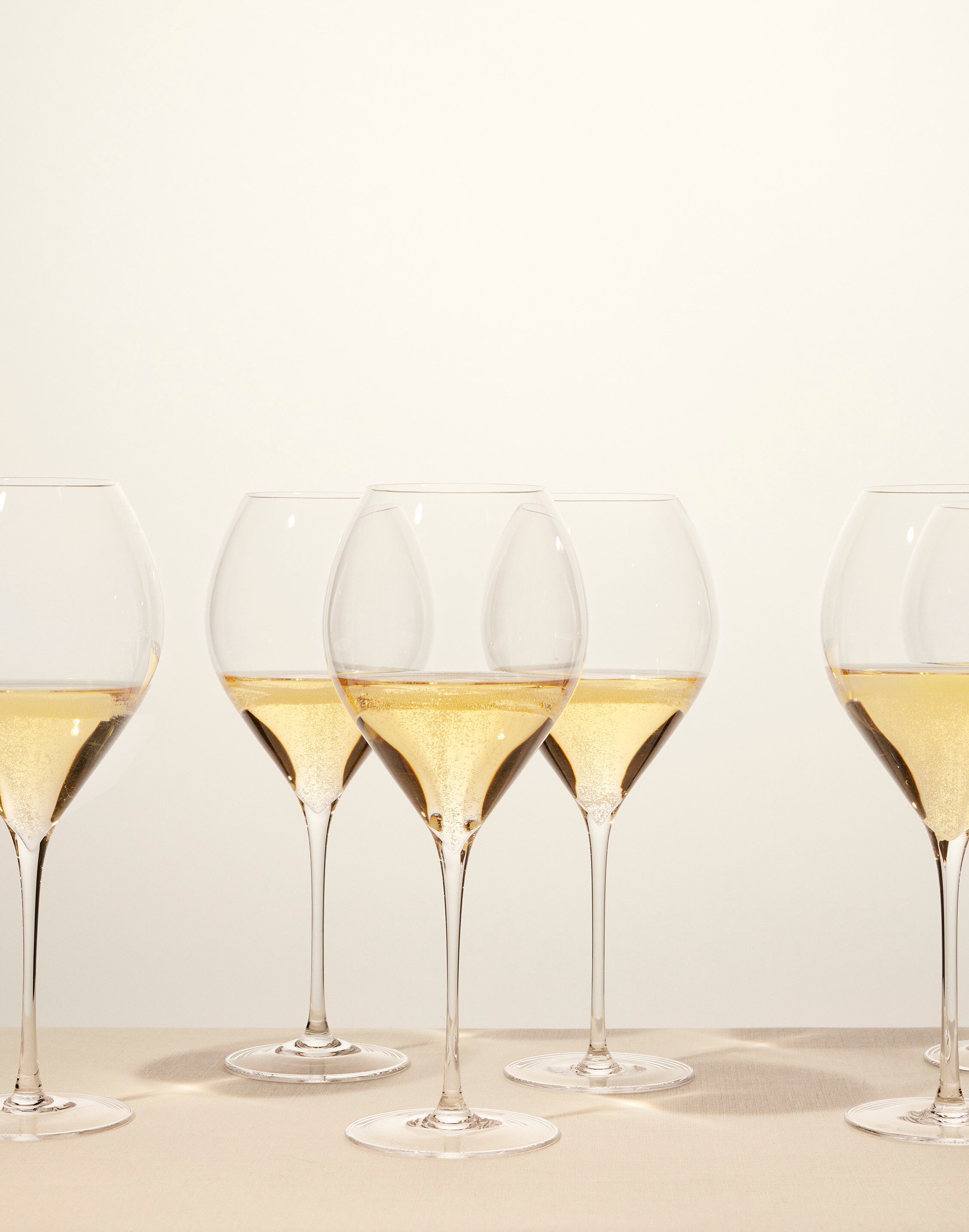
A standard 75cl bottle yields 6 to 8 glasses of champagne, with each glass containing approximately 4 to 5 ounces. This serving size preserves the wine's freshness and allows the bubbles to express their full aromatic complexity. The goal is to maintain the champagne at its ideal temperature while highlighting the nuanced flavors that define quality.
When you understand the optimal serving temperature, you enhance this experience further. The right glass shape concentrates the aromas, while the appropriate serving size ensures each guest can taste the wine's structure and fineness.
Selecting the appropriate champagne bottle size depends on your number of guests and the nature of your gathering. For intimate moments, a standard 75cl bottle serves 2 to 3 people comfortably, allowing everyone to enjoy multiple glasses. When hosting 6 to 10 guests, a magnum provides the perfect balance between generosity and practicality.
For those planning holiday assemblies, understanding these measurements ensures you have enough champagne without excess. Calculate roughly one glass per guest for toasts, or half a bottle per person for events where champagne flows throughout. The beauty lies in finding that balance where quality meets quantity, and where every bottle opened reflects the optimism and spontaneity that define the solaire lifestyle.