What's the Difference Between Wine and Champagne?

The question arises often: what truly separates champagne from wine? While both spark moments of inspiration and bring radiance to any gathering, understanding their distinctions reveals why champagne holds such a singular place. The answer lies in geography, production mastery, and a spirit of innovation that Madame Clicquot herself championed over 250 years ago.


Key Takeaways:

  • Champagne is a specific type of wine produced exclusively in France's Champagne region.
  • The Champagne production process involves a secondary fermentation creating natural bubbles.
  • Wine encompasses still, fortified, and sparkling varieties from vineyards worldwide.
  • Geographic origin and production methods define what can legally be labeled as Champagne.


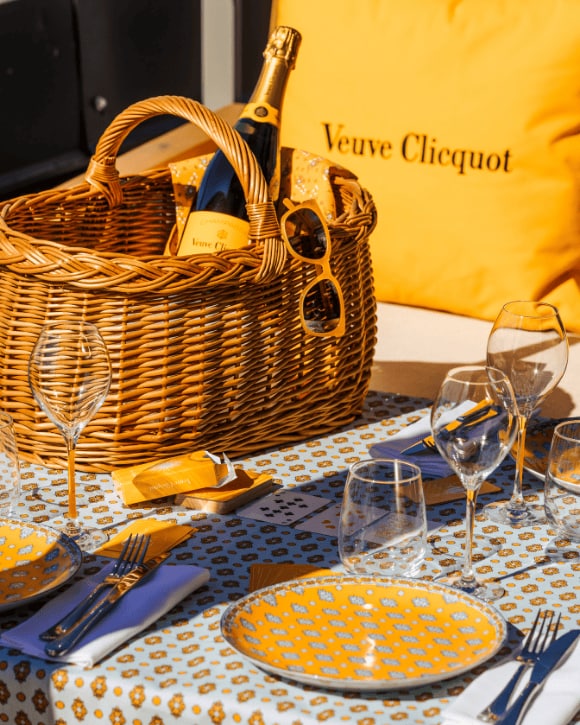
Veuve Clicquot Champagne in a basket on a set table
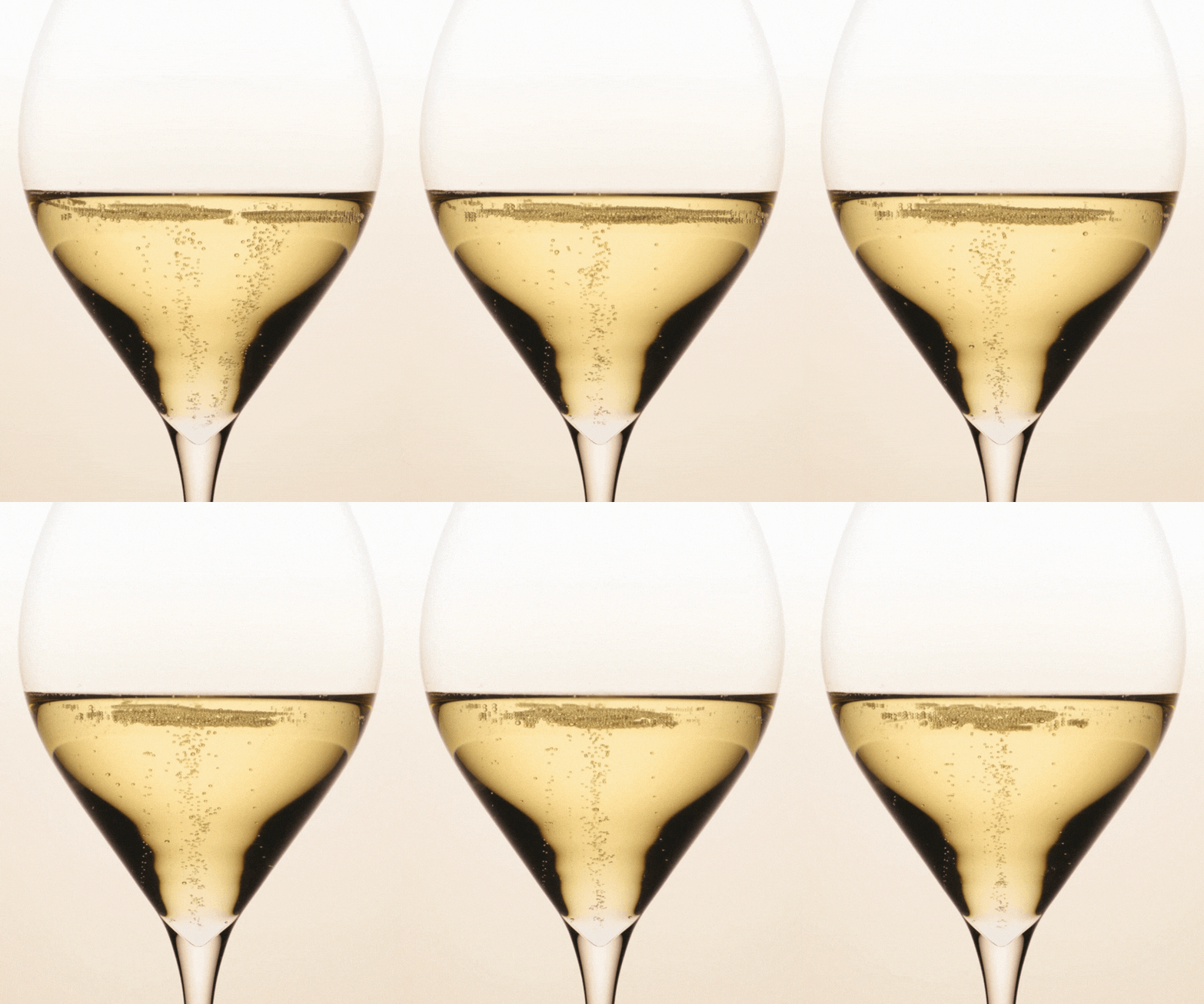
Veuve Clicquot Champagne bubbling in glass

What Is Wine?

Wine represents the world's oldest fermented beverage, crafted from grapes grown across vineyards spanning every continent. The wine production process begins when harvested grapes undergo fermentation, where yeast transforms natural sugars into alcohol. This fundamental technique produces:

  • Still wines (without carbonation);
  • Fortified wines (with added spirits);
  • Sparkling wines (with bubbles).

Wine varieties range from bold Pinot Noir to crisp Chardonnay, each expressing the character of its terroir. Red, white, and rosé wines capture diverse flavor profiles depending on grape selection, climate, and winemaking philosophy. Yet among these countless expressions, one category stands apart through its geographic birthplace and meticulous craft.

What Is Champagne?

Champagne refers exclusively to sparkling wine from the Champagne region of northeastern France. This geographic designation carries legal protection; only bottles produced within this specific area, following strict regulations, earn the right to bear the name. 

In 1818, Madame Clicquot broke with tradition and invented the first known blended rosé champagne, demonstrating the innovative spirit that continues to define the House. Her belief that "Only one quality, the finest" established a standard of excellence that persists today. Discover this pioneering expression through Veuve Clicquot Brut Rosé, which honors her audacious vision.

Veuve Clicquot Champagne being poured
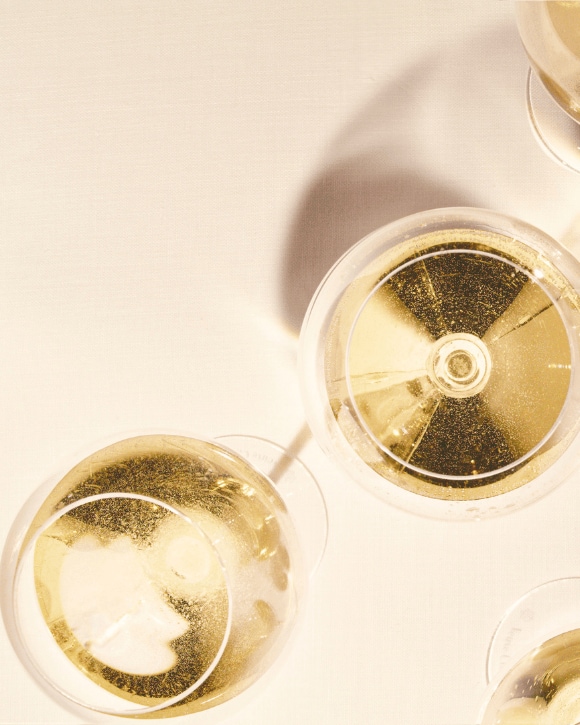
Veuve Clicquot glasses of champagne seen from above

How Do Wine and Champagne Production Processes Differ?

The distinction becomes clearer when examining production techniques. Traditional wine production follows a straightforward path: grapes are pressed, juice ferments in tanks or barrels, then the wine ages before bottling. This single fermentation creates still wines with alcohol content typically ranging from 12% to 15%.

The champagne production process requires far greater complexity. After initial fermentation creates a base wine, winemakers add a mixture of yeast and sugar (liqueur de tirage), then seal the bottles. This triggers a second fermentation inside each bottle, trapping carbon dioxide and forming those signature bubbles. The wine then ages on its lees (dead yeast cells) for at least 15 months: or three years for vintage expressions like La Grande Dame 2018.

Through riddling, bottles are gradually rotated until sediment collects in the neck. After disgorgement removes this sediment, the dosage (a blend of wine and sugar) balances acidity and determines sweetness level. This demanding process, known as the méthode champenoise (traditional method), distinguishes authentic champagne from simpler sparkling wines produced via tank fermentation.


What Distinguishes Champagne from Other Wines?

Beyond production complexity, several factors set champagne apart from its vinous counterparts:

Distinction Champagne Still Wine Other Sparkling Wines
Geographic Origin Champagne region exclusively: chalky, mineral-rich soils of Reims impart an unreplicable character Vineyards worldwide Various regions globally (Prosecco, Cava, etc.)
Effervescence Persistent, fine bubbles from months of bottle aging and careful craftsmanship No carbonation Often display larger, less refined bubbles
Permitted Grape Varieties Strictly limited: Pinot Noir, Chardonnay, Pinot Meunier (exemplified by Brut Yellow Label ) Unlimited variety depending on region and winemaker preference Varies by region and production method
Character & Philosophy Embodies optimism and spontaneity for daytime moments and gatherings Accompanies many occasions across the spectrum Varies widely depending on origin and style

Perhaps most importantly, champagne's identity ties inseparably to both its French birthplace and its cultural essence: a philosophy that transforms ordinary moments into celebrations.