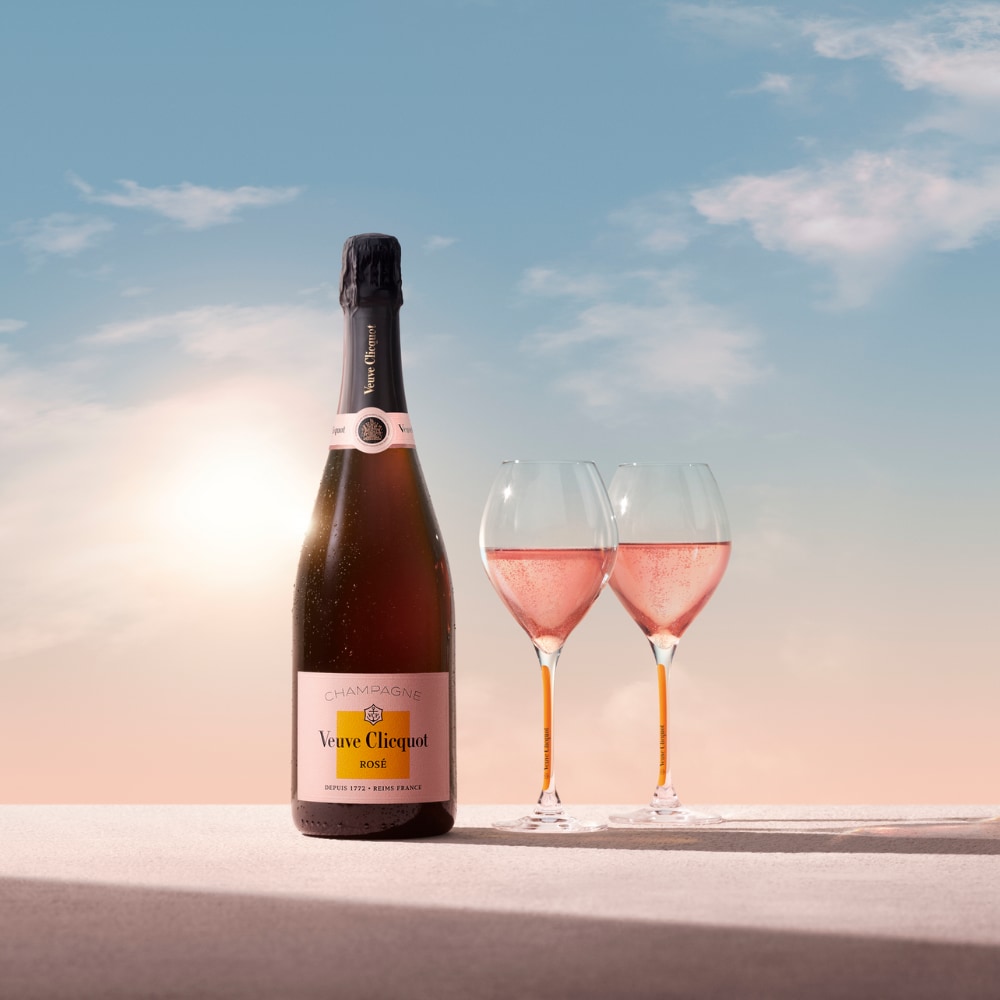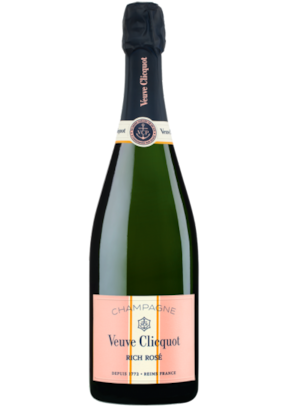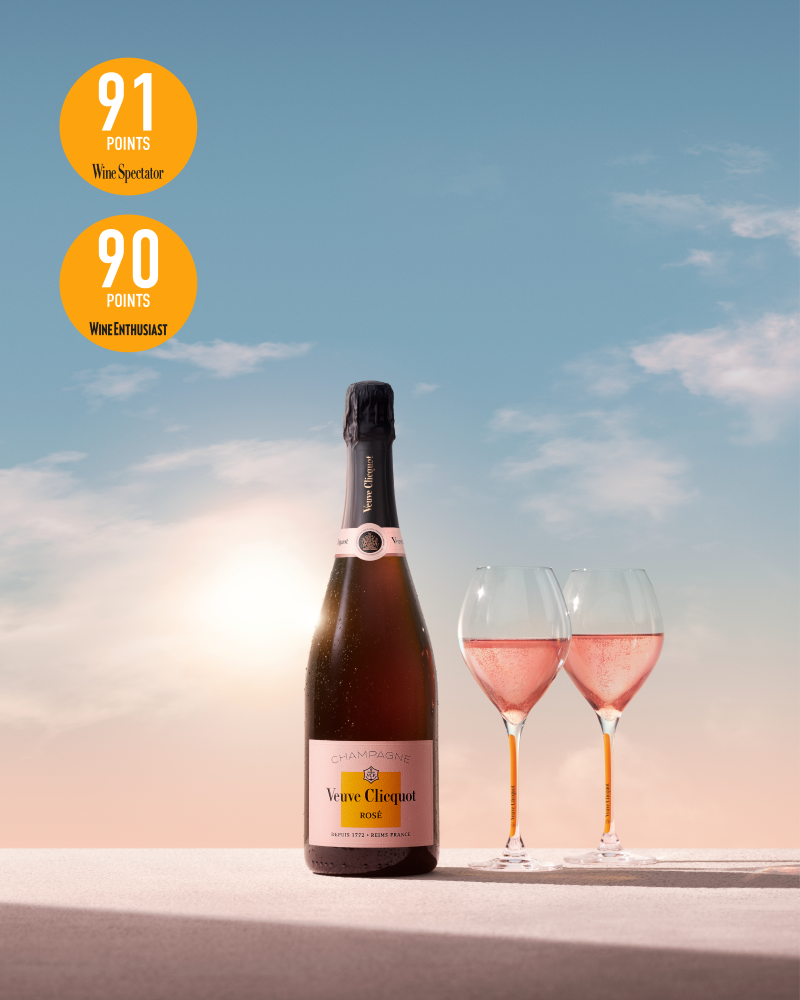
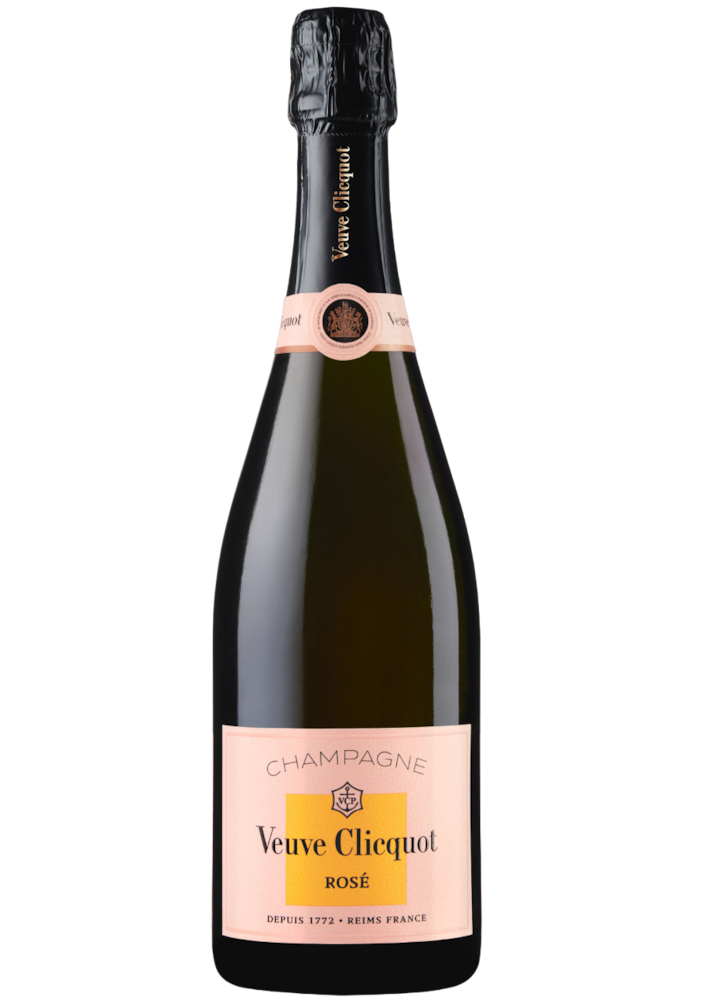
In 1818, Madame Clicquot created the first known blended rosé champagne, unleashing the vivacity and explosive fruit aromas that continue to delight wine-lovers’ palates today.

The abuse of alcohol is dangerous for your health. Drink responsibly. Veuve Clicquot supports the responsible consumption of wines and spirits, through Moët Hennessy, member of Spirits EUROPE, Discus and Wine in Moderation.
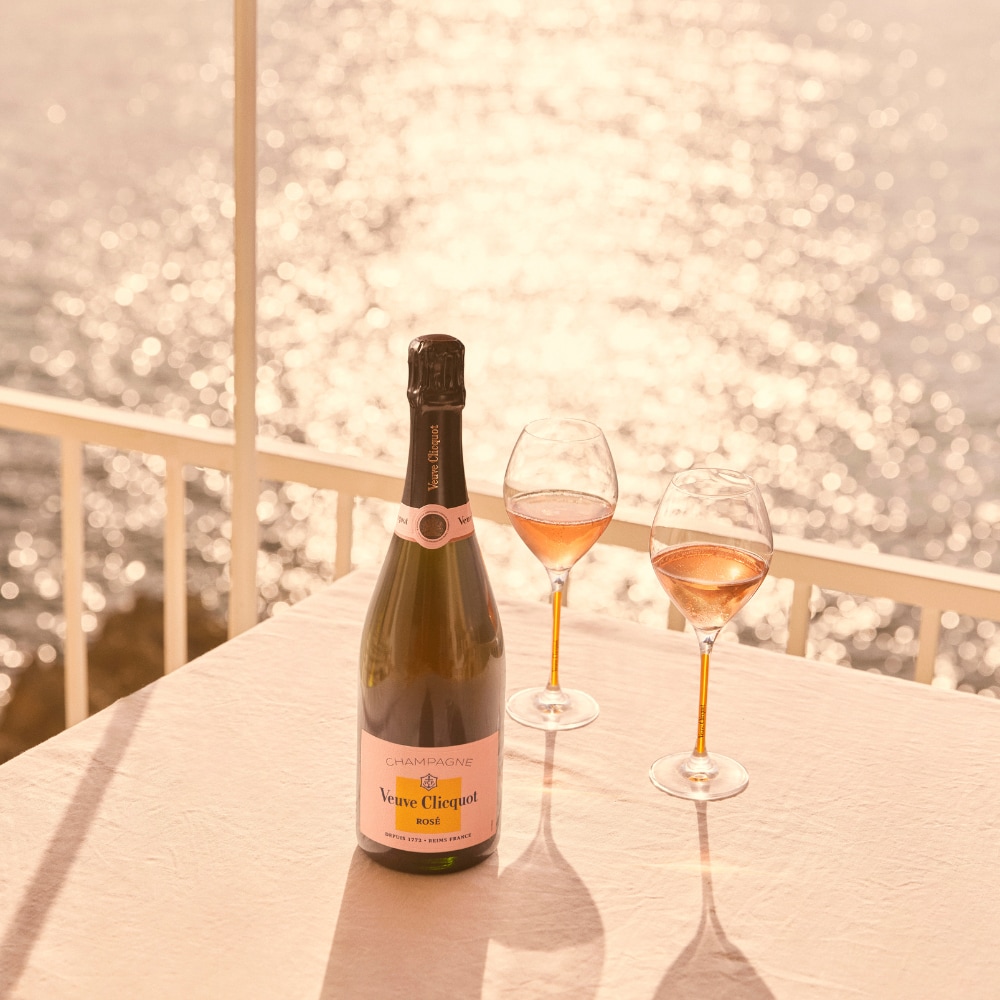
In 1818, Madame Clicquot created the first known blended rosé champagne, unleashing the vivacity and explosive fruit aromas that continue to delight wine-lovers’ palates today.
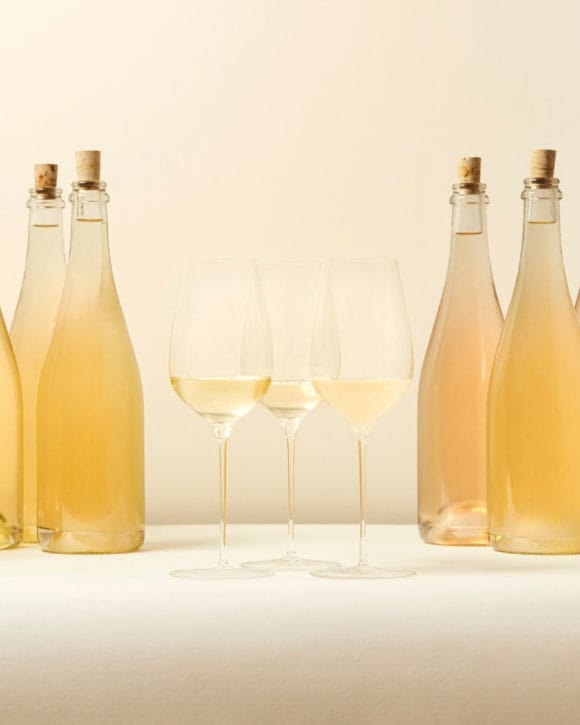
Veuve Clicquot Rosé is the result of a blending of grapes from 50 to 60 different crus, and is composed of up to 45% reserve wines. The cuvé is, based on the traditional Yellow Label blend and completed with Pinot Noir red wine.
Contains sulphites.
FRESHNESS, ROUNDNESS, STRENGTH, DEPTH
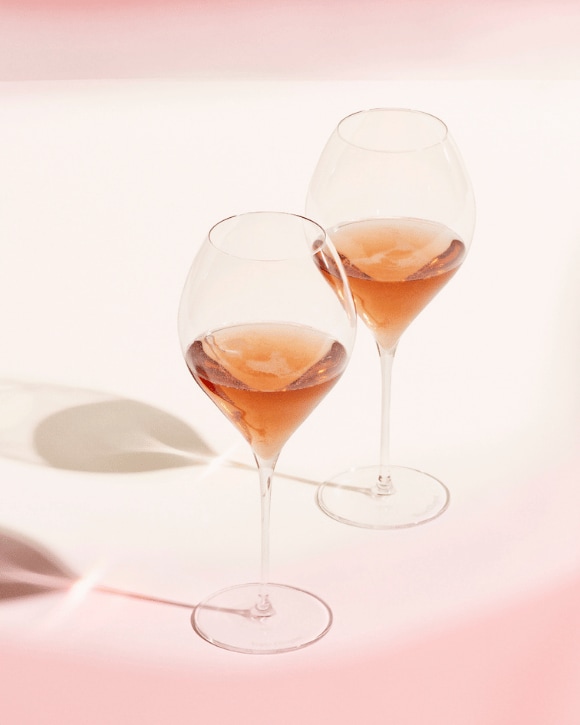
The robe is luminous, tinged with rosy highlights.
The Brut Rosé offers a rich aromatic profile, combining red and black fruits (cherry, strawberry, raspberry, blueberry), spices (white pepper, saffron, licorice), pastries (biscuit, croissant), all enhanced by accents of toast, orange peel, and gingerbread linked to aging on lees.
The blend is structured by Pinot Noir, the true backbone of the wine. The addition of 12% red wine from Bouzy brings depth and power on the palate. A harmonious balance of freshness and structure with aromas of red fruits, biscuit, pastry, and a long, elegant finish.
Brut Rosé captivates with its opulence and freshness, perfect for indulgent moments of sharing. Its lively character comes alive with sashimi or a generous slice of pizza.
It also pairs beautifully with a selection of aged cheeses: Ossau-Iraty, fresh goat cheese, tomme de brebis, Gouda, Mimolette, Irish cheddar. The cuvée finds a delicate echo in a red fruit dessert, such as a light tart or a tangy sorbet.
Discover
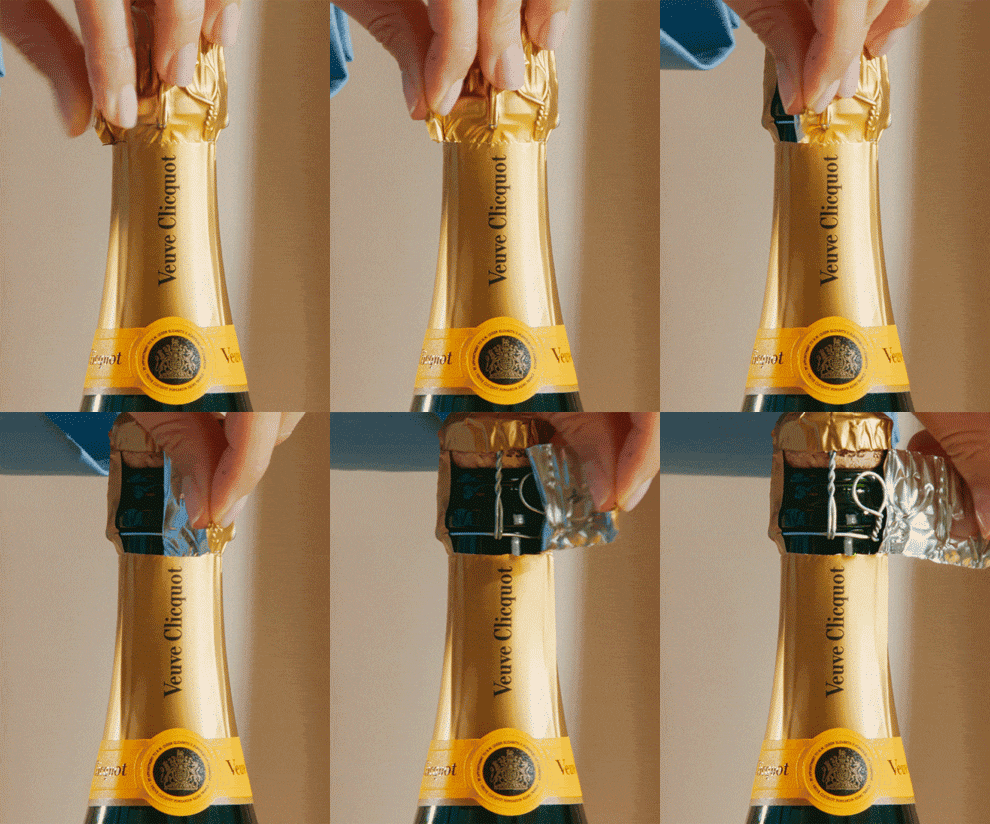
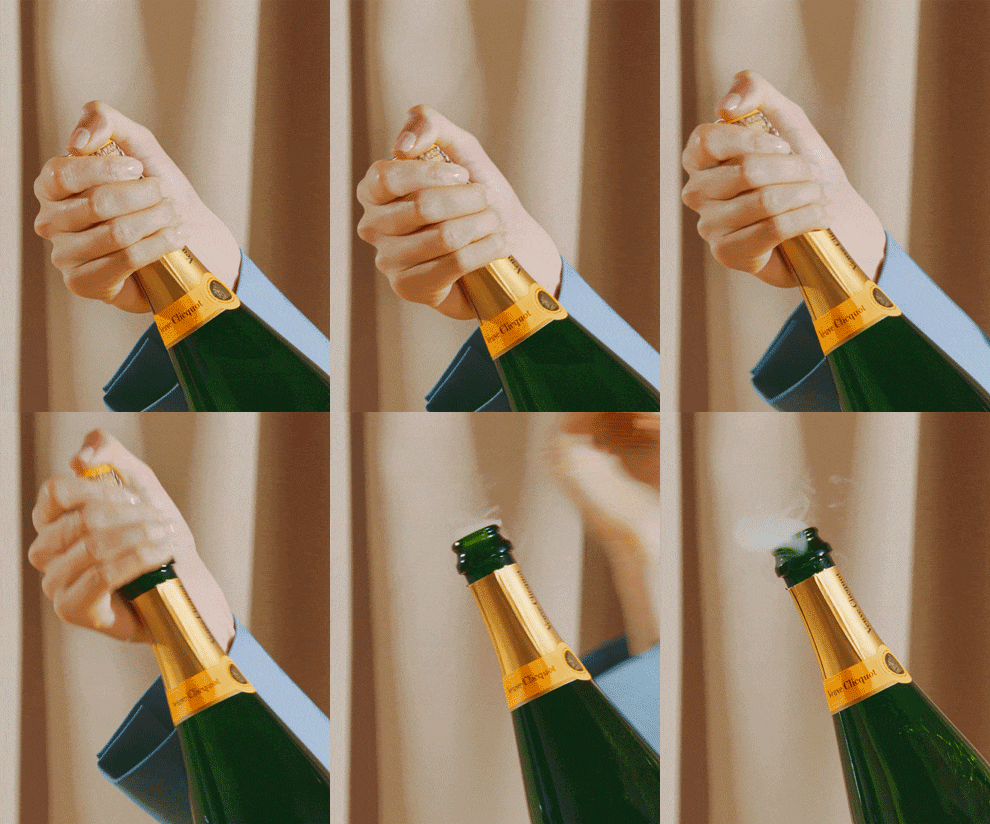
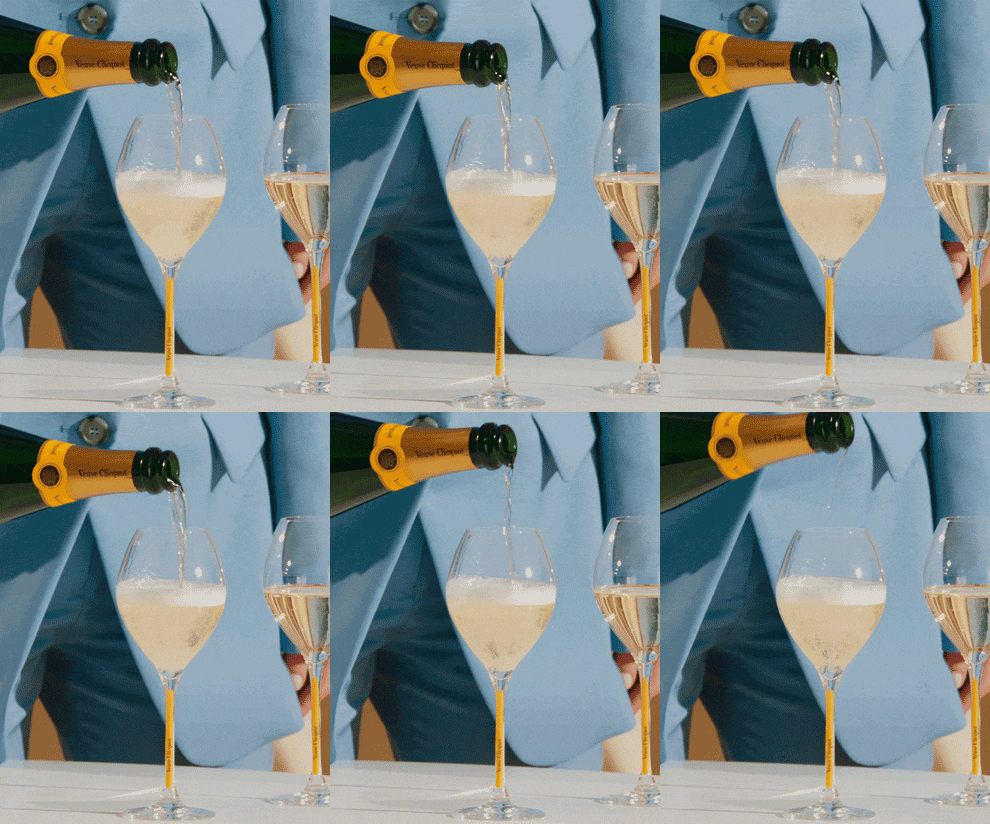
Discover our best tips and recommendations to open and serve your bottle of champagne, the Clicquot way.
Discover our tips